Things to Do in Maseru in September
September weather, activities, events & insider tips
Low Season · Budget Friendly
September Weather in Maseru
Long-run averages for September
73°F (23°C)
High Temp
44°F (6°C)
Low Temp
0.6 inches (15 mm)
Rainfall
53%
Humidity
8
Sunny-Day UV
⚠ Large day-to-night temperature swings, from roughly 23°C (73°F) afternoons to 7°C (44°F) nights. There is a real risk of frost on higher ground around Katse Dam and Semonkong.
⚠ Strong, dry afternoon winds kick up dust. They make exposed mountain sites feel significantly colder than the air temperature suggests.
Is September Right for You?
Weigh the advantages and considerations before booking
Advantages
- + September flips the switch to spring in Maseru, and the shift is vivid. Afternoons hit 23°C (73°F) under thin, dry highveld air that turns the sandstone cliffs amber at sunset. Walk Kingsway, the downtown spine, without the November storms.
- + The Maluti Mountains circle the basin at 1,600 m (5,250 ft). Early September still carries snow on the higher passes. Day trips toward Thaba Bosiu or along the Caledon River give green-gold valleys beneath white peaks. Two seasons in one frame.
- + Shoulder season rules. Rooms in Maseru, from riverside lodges to casino resorts, show real availability and softer rates than December. Book two to three weeks ahead. Simple.
- + Crowds vanish. Thaba Bosiu, King Moshoeshoe I's mountain stronghold, sees only a trickle in September. You hear wind in grass, not tour chatter.
Considerations
- − Nights bite. Lows around 7°C (44°F) shock first-timers who packed for daytime warmth. Guesthouses lean on space heaters. Bring fleece.
- − Wind and dust dominate. Clear skies whip grit off unpaved edges and Caledon banks. Afternoons peak. Sensitive eyes, beware.
- − Rain is fickle. Roughly 10 days carry some precipitation. A grey drizzle turns dirt roads to slick ruts. Quietly cancels plans.
Best Activities in September
Top things to do during your visit
Thaba Bosiu Plateau Guided Climbs
The flat-topped sandstone east of Maseru is where Moshoeshoe I founded the Basotho nation in the 1820s. Climb Khubelu Pass for the most meaningful half-day. September offers dry footing, cool air, and greening fields. Views toward Qiloane pinnacle, the spire that inspired the Basotho hat, are prime.
Booking Tip: Book a guided visit 7 to 10 days ahead through the on-site cultural village. Licensed guides wait. Go early to beat the wind. Allow 3 hours for the round trip and village. Check the booking section below.
Katse Dam and Highlands Day Tours
Katse Dam, Africa's tallest, sits northeast of Maseru deep in the Maluti. September rewards the drive: passes still hold winter snow against blue skies. Reservoir clarity is good before summer runoff. The alpine botanical garden stirs with first spring growth. Allow a full day for mountain roads.
Booking Tip: Reserve a guided full-day tour 10 to 14 days ahead. Use operators with high-clearance vehicles and insured drivers who know the passes. Pack layers. The dam wall is colder than Maseru. Tours are listed below.
Pony Trekking in the Maluti Foothills
Riding Basotho ponies is the classic way to travel here. September is perfect. Ground is firm, rivers low, temperatures mild by mid-morning. Trails pass herd boys in wool blankets and villages scented with woodsmoke. Half-day or full-day routes exist.
Booking Tip: Book 7 to 10 days ahead through licensed trekking centers that supply helmets and guides. Ask if the route suits beginners. Wear long trousers for saddle and chill. Options appear below.
Semonkong and Maletsunyane Falls Excursions
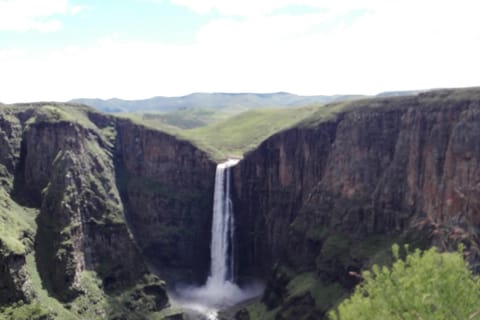
South of Maseru, Semonkong village sits beside Maletsunyane Falls, dropping 192 m (630 ft) in one ribbon, among southern Africa's highest single-drop falls. September flow is strong and clear from winter melt, not muddy summer torrent. Spray catches spring light. The plateau drive is cold.
Booking Tip: Arrange a guided overnight or long day trip about 14 days ahead. Use operators experienced on high mountain roads. Bring a warm jacket and gloves. The plateau stays cold. Excursions are listed below.
Morija Cultural and Museum Visits
An hour south of Maseru, Morija is the cradle of Basotho written culture. It holds the oldest museum and archives, plus dinosaur footprints pressed into sandstone. September's dry mild days make short walks easy. Cool light flatters old mission walls. Pick this on windy or drizzly days.
Booking Tip: Book a guided cultural day tour about a week ahead. The museum is a reliable rainy-day backup. Keep it in reserve for unsettled weather. See current options in the booking section below.
Maseru City and Craft Market Walks
Maseru rewards a slow morning on foot. The craft markets and roadside stalls toward the Maseru Bridge border sell the genuine article. Hand-woven Basotho hats, mohair blankets and tapestries spun from the wool of highland sheep await. The same mohair drapes every herd boy you will pass in the mountains. September's clear, warm middays are good for browsing. The afternoon wind arrives soon. You will smell roasting maize and grilled meat from the vendors along the way. The nearby Maseru Mall and the Lesotho Sun complex give you air-conditioned cover. A casino floor waits if the weather turns.
Booking Tip: No advance booking needed for the markets. Go mid-morning. Bring small change. Combine the walk with an indoor stop at the mall or casino as a weather hedge. For any guided city tours, check current options in the booking section below.
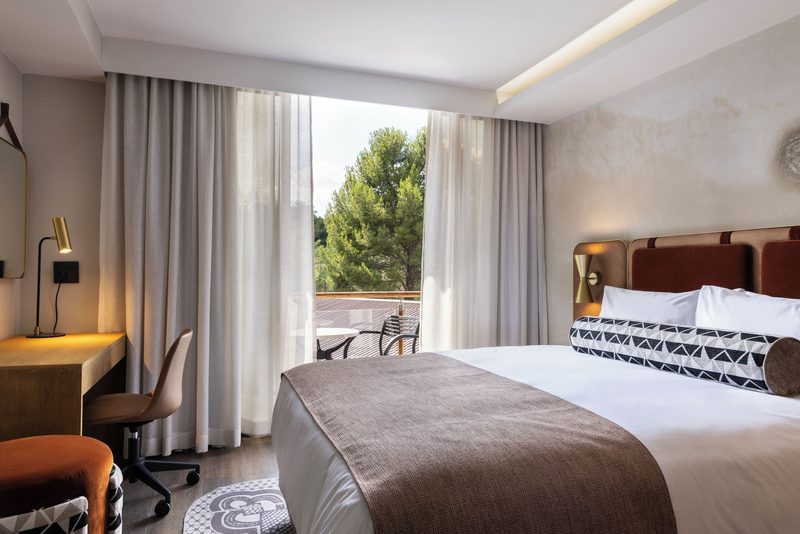
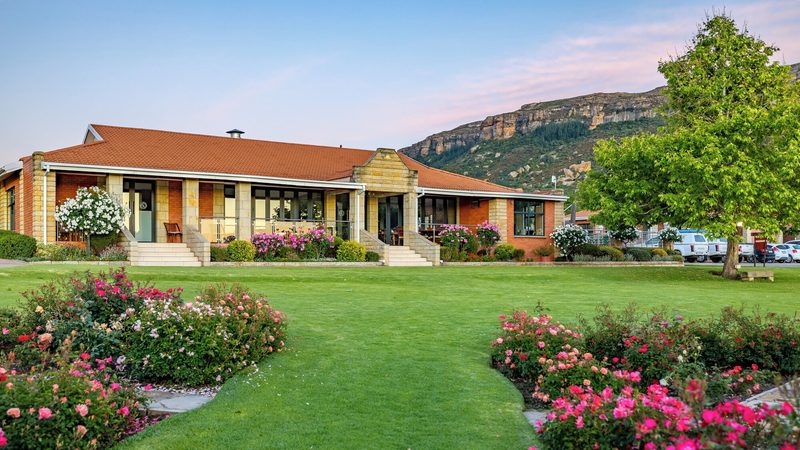
Where to Stay in Maseru in September
Hand-picked hotels across price tiers for September travellers.
Packing Checklist
Bookmark this page — your progress is saved between visits
Need the full list with shopping links?
Climate-specific gear, brand recommendations, and what to leave at home.
View Maseru Packing List →Essential Tips
Insider knowledge and common pitfalls to avoid
Insider Knowledge
Locals treat September as the month to be outdoors before the summer storms. The markets near Maseru Bridge and the foothill trails are at their liveliest on warm weekends. Weekday mornings are calmer if you want the craft stalls without the crowd.
The Basotho blanket is functional clothing here, not a souvenir. September is exactly when you will see it worn against the morning cold. If you buy one at the markets, the heavier wool versions are the ones locals use against highland nights.
Plan all your serious driving for the morning. This is true toward Katse Dam or Semonkong. The afternoon wind and the chance of a cold drizzle both build through the day. Mountain visibility is best early.
Maseru sits right on the border with South Africa at the Maseru Bridge crossing. If you are combining the trip, September's predictable dry-ish days make the land crossing and onward mountain roads far easier. Summer rainy season passes can wash out.
Avoid These Mistakes
Packing for the daytime warmth and ignoring the nights. Visitors see 23°C (73°F) forecasts and bring summer clothes. They freeze at 7°C (44°F) after sunset. Guesthouse heating is often minimal.
Underestimating the altitude sun. The mild air convinces people they will not burn. A UV index of 8 at over 1,600 m (5,250 ft) cooks unprotected skin within an hour on the open Thaba Bosiu plateau.
Trying to reach Katse Dam or Semonkong and back as a casual half-day. The mountain roads are slow and the distances deceptive. Treat these as full-day commitments and start early. Otherwise you will be driving the passes in fading light and rising wind.
Ready to plan your trip to Maseru?
Now that you've got the research covered, here's where to go next.
Book Experiences in Maseru
Top-rated things to do in Maseru this September

Explore More Activities in Maseru
Didn't see anything interesting yet?
Browse Viator's full catalog of tours, day trips, food experiences, and private guides in Maseru.
See All Maseru Tours on Viator