Things to Do in Maseru in March
March weather, activities, events & insider tips
Low Season · Budget Friendly
March Weather in Maseru
Long-run averages for March
78°F (25°C)
High Temp
54°F (12°C)
Low Temp
3.4 inches (86 mm)
Rainfall
65%
Humidity
11
Sunny-Day UV
⚠ March afternoon thunderstorms can bring hail at this altitude. Little warning precedes them. Temperatures drop fast. Seek solid shelter when cumulonimbus clouds build to the west. Trees offer no protection.
⚠ Highland roads to Semonkong or Katse Dam turn hazardous after heavy rain. Expect washouts, swollen river crossings, mudslides on steep gravel sections. Check conditions with locals before leaving. Carry recovery gear if self-driving.
⚠ The UV index hits extreme levels on clear March mornings at this altitude. Exposed skin burns fast even when air feels mild. Reflected light off wet grass after storms intensifies exposure. Protect yourself.
Is March Right for You?
Weigh the advantages and considerations before booking
Advantages
- + Moshoeshoe Day lands on March 11. The national holiday transforms Thaba Bosiu into a living ceremony of wreath-laying, famo music, and traditional Basotho dance. This is the single best day to experience Lesotho's cultural identity without a curated tourist version of it.
- + The Maloti foothills are at their greenest after the summer rains. Grasslands between Maseru and Semonkong ripple with wildflowers. This visual payoff dries out completely by May and does not return until November.
- + March sits at the tail of the wet season. Afternoon showers are shorter and less intense than the January or February downpours. Rivers and waterfalls, Maletsunyane, Ketane, and Ribaneng, still run at full volume. They will not do this in the dry winter months.
- + Tourist numbers in Maseru are thin year-round. They are thinner still in March. The Basotho Hat craft market, Thaba Bosiu Cultural Village, and the Ha Baroana rock shelters are yours essentially alone. No queues. No jostling. Vendors have time to talk.
Considerations
- − Afternoon thunderstorms still roll through several times a week in March. They arrive typically between 2 PM and 5 PM. Expect a sudden drop in temperature and sometimes hail at Maseru's 1,600 m (5,249 ft) elevation. Outdoor plans need a flexible second half of the day.
- − Roads to highland destinations like Katse Dam and Semonkong can turn treacherous after heavy rain. Gravel sections wash out. River crossings swell. A vehicle without four-wheel drive may strand you for hours while the track dries.
- − Maseru's street-crime rate is a real consideration, after dark. The stretch between the city centre and the hotel district along Kingsway is a known robbery corridor at night. Walking after sunset is not advisable. Telephone taxis are the standard local solution.
Best Activities in March
Top things to do during your visit
Thaba Bosiu Cultural Heritage Trek
Thaba Bosiu is the sandstone plateau where Moshoeshoe I built the fortress that held off Boer and British armies for decades. It sits about 20 km (12.4 miles) east of central Maseru. March is good for the climb because the heat has eased from the January peak. Mornings settle around 18°C (64°F) at the base. The plateau's grassy summit is still soft and green underfoot. The visitor centre at the bottom houses the Machochonono Museum. Guides walk you through the kingdom's founding before leading you up the switchback trail. At the top, the view stretches across the Caledon River valley into South Africa's Free State. The column-shaped pinnacle of Qiloane, the rock formation that inspired the shape of the mokorotlo hat, rises from the valley floor like a geological exclamation point. The cultural village at the base includes a traditional Basotho homestead, an 800-seat amphitheatre, and a restaurant. Allow a full morning. The climb is moderate but the altitude and the midday sun will slow you down.
Booking Tip: Book a guided walk through the visitor centre on arrival. Alternatively, arrange a private cultural tour at least three days ahead through licensed operators in Maseru. March 11 brings ceremonial crowds to the site. Book earlier if you want to attend. Visit the following day for a quieter experience. See current guided tour options in the booking section below.
Basotho Pony Trekking in the Maluti Foothills
The Basotho pony is short, stocky, and absurdly sure-footed on loose scree. It is the only practical way to reach the shepherd outposts and sandstone passes in the highlands east of Maseru. March means the trails are soft enough that the ponies move quietly instead of clattering on frozen winter ground. The valleys are threaded with seasonal streams that dry up by June. No riding experience is needed. These ponies have carried novices up switchbacks steeper than most staircases for generations. Local guides, usually herders who grew up in the saddle, set the pace to your comfort. Rides range from two-hour loops through the foothills near Malealea to multi-day routes reaching Ribaneng and Ketane waterfalls. The smell of the highlands in March is wet grass and wood smoke from distant villages. The silence once you are an hour out of any settlement is the kind that makes your ears ring. Be prepared for the temperature to drop sharply at altitude. It can swing from 25°C (77°F) in the valley to 10°C (50°F) on an exposed ridge within an hour.
Booking Tip: Arrange treks at least a week ahead. This is important for multi-day routes where overnight gear and pack ponies need organising. Operators near Malealea and in the Katse Dam area run regular departures. Bring your own sunblock, waterproofs, and a warm fleece. Operators supply the ponies and guides but rarely provide outerwear. Check current pony trekking options in the booking section below.
Maletsunyane Falls and Semonkong Gorge
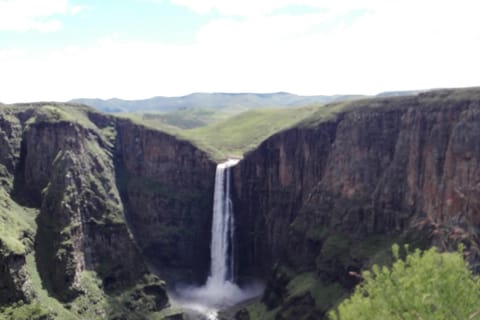
Maletsunyane Falls drops 192 m (630 ft) into a basalt gorge near the village of Semonkong, roughly 130 km (81 miles) southeast of Maseru. In March, the Maletsunyane River runs heavy from the summer rains. The falls throw up a mist you can feel on your face from the viewing ledge 200 m away. By August the same cascade thins to a trickle. The gorge walls are stained orange and black with mineral deposits. The roar of the water at full volume makes conversation impossible near the lip. Semonkong itself is a highland village at about 2,275 m (7,464 ft). Mornings are cool and sharp. The air is thinner than in Maseru. Commercial abseil operators run descents down the face of the falls. This is one of the longest single-drop abseils commercially operated anywhere. Even if you skip the rope, the hike to the base pool takes about ninety minutes through wet grass and loose rock. The payoff is standing underneath a curtain of falling water with nobody else around.
Booking Tip: The drive from Maseru takes roughly three hours on a mix of tar and gravel, and a 4x4 is strongly recommended after rain. Book abseil descents at least five days ahead through licensed adventure operators, and confirm that the falls are running at safe volume. Operators will postpone after exceptionally heavy storms. An overnight stay near Semonkong is worth it to catch the falls in early morning light. See current adventure tours in the booking section below.
Ha Baroana San Rock Art Shelter
About 42 km (26 miles) east of Maseru, near the village of Nazareth on the road toward Thaba-Tseka, a sandstone overhang above the Liphiring River holds some of Lesotho's oldest surviving San rock paintings. The panel stretches across the shelter wall: leopards, elands, blue cranes, human figures mid-hunt, dancers in trance postures, all rendered in ochre and charcoal perhaps two thousand years ago. March light slants into the shelter in the morning hours, which is when the pigments show their colour best. By afternoon the overhang falls into shadow and the finer details disappear. The walk down to the shelter from the gravel road takes about twenty minutes through scrubby grassland, and the site is unattended most days. You will likely have it to yourself. The quiet is part of the experience: the only sounds are the river below and the wind moving through the grass. Bring water, a hat, and patience for the gravel turn-off, which is easy to miss if you are not watching for the faded signpost.
Booking Tip: There is no formal ticket office at Ha Baroana. Access is open, though a small community fee is sometimes collected by villagers near the turn-off. Combine this with a Thaba Bosiu visit in the same day, since both sit east of Maseru on roughly the same road. A knowledgeable local guide from Maseru can explain the San cosmology behind the paintings, which transforms a rock wall into a narrative. Check current cultural tour options in the booking section below.
Maseru City Walking and Basotho Craft Markets
Maseru is not a city that overwhelms with monuments, which is precisely why walking it rewards attention to the details. Start at the Basotho Hat, the conical craft shop on Kingsway designed to resemble a mokorotlo and open since 1962. Inside, vendors sell hand-woven Basotho blankets (the thick wool ones with the cabbage-rose pattern that Basotho men wear draped over one shoulder like a toga), pottery, carved wooden animals, and the straw hats themselves. From there, Kingsway runs east past the Cathedral of Our Lady of Victories, a stone-and-brick Catholic church whose interior smells of old wood and candle wax, and on to Makoanyane Square where the 1963 bronze crocodile monument, Lesotho's national emblem, sits on a curved wall. March mornings in the city centre carry the smell of makoenya frying in oil at street stalls: these deep-fried dough balls, golden and slightly chewy, are the standard Maseru breakfast, eaten hot from newspaper. The main market area near the bus station is loud, chaotic, and real. Stalls stacked with tomatoes, peaches (the last of the summer crop in March), bundles of moroho greens, and sacks of maize meal. Walk in the morning when the light is low and the heat has not yet built.
Booking Tip: Walk Kingsway and the market district before noon. The afternoon heat and the risk of thunderstorms make mornings the practical window. Bring cash in small denominations (Lesotho loti or South African rand, both accepted everywhere) since many craft vendors and street-food stalls do not take cards. For a guided city walk with cultural context, book through Maseru-based cultural tour operators at least two days ahead. See current walking tour options in the booking section below.
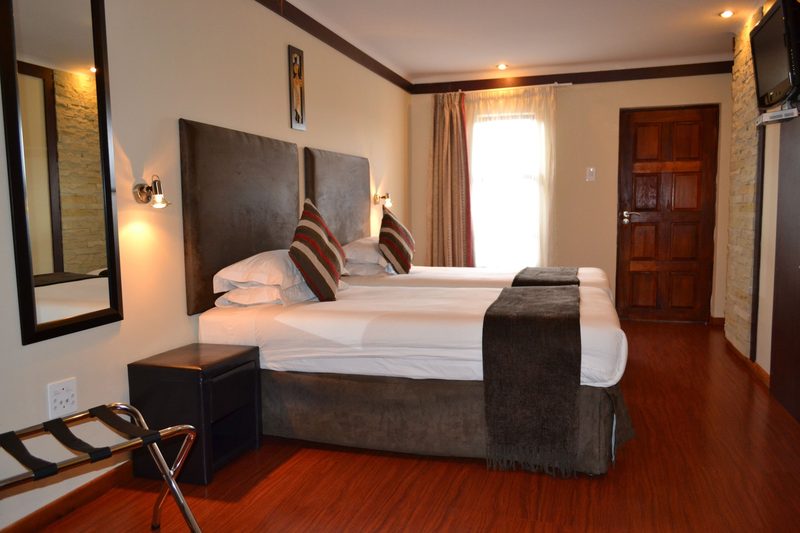
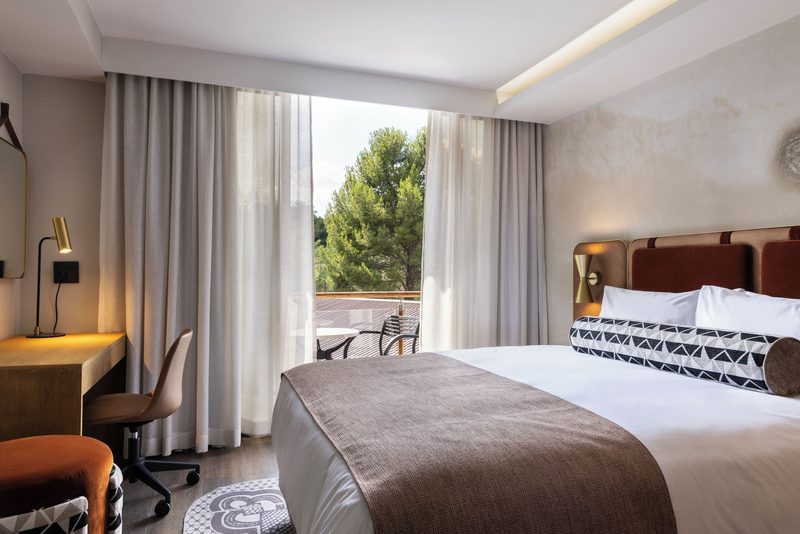
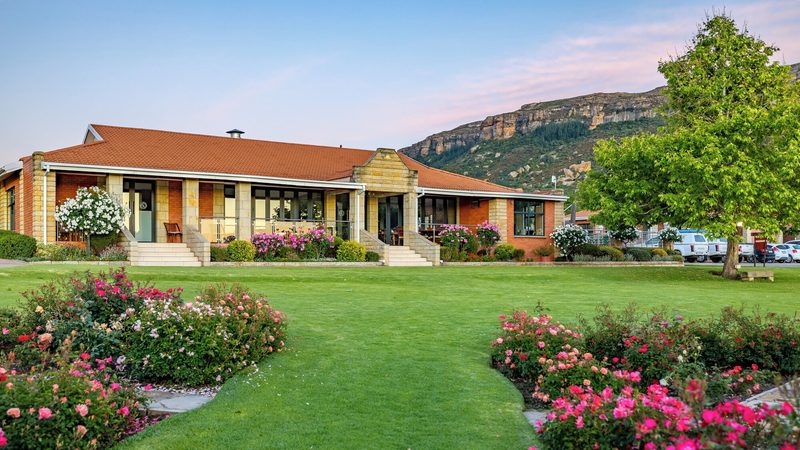
Where to Stay in Maseru in March
Hand-picked hotels across price tiers for March travellers.
Public Holidays in March
Dates that affect opening hours, transport and crowds
Moshoeshoe Day
Observed nationwide as a public holiday.
Good Friday
Observed nationwide as a public holiday.
Easter Monday
Observed nationwide as a public holiday.
Moshoeshoe Day
Observed nationwide as a public holiday.
Packing Checklist
Bookmark this page — your progress is saved between visits
Need the full list with shopping links?
Climate-specific gear, brand recommendations, and what to leave at home.
View Maseru Packing List →Essential Tips
Insider knowledge and common pitfalls to avoid
Insider Knowledge
The Lesotho loti is pegged one-to-one with the South African rand. Both currencies circulate interchangeably throughout Maseru. Bring rand from South Africa instead. Border exchange rates are poor. Queues at the Maseru Bridge crossing can eat forty minutes on busy mornings.
Visiting Thaba Bosiu on Moshoeshoe Day? Leave before 7 AM. The single access road floods with buses and minibus taxis. By 9 AM, traffic stalls for an hour. Better option: visit March 12. The site empties out. Staff at the cultural village can give you a personal, unhurried tour.
Maseru's minibus taxis run fixed routes with no posted schedules. They leave when full. They do not run on time. For Thaba Bosiu or Ha Baroana, hire private transport through your accommodation. It costs little more. It shows up.
The best makoenya in Maseru, the fried dough balls that fuel morning appetites, come from stalls near the main bus station on the south side of Kingsway. Vendors start frying around 6 AM. First batches disappear by 9 AM. Later batches taste heavier. The oil wears out. Eat them with motoho, the cold fermented sorghum porridge. It tastes sour and slightly fizzy, like grain-based kefir. The texture takes getting used to. Try it anyway.
Avoid These Mistakes
Do not underestimate Maseru's altitude. At 1,600 m (5,249 ft), the city sits higher than Denver. Thin air and midday sun dehydrate you faster than temperatures suggest. Drink water constantly. This matters more climbing Thaba Bosiu or hiking near Semonkong, where elevations top 2,200 m (7,218 ft).
Do not drive to Katse Dam or Semonkong without four-wheel drive. March rain turns gravel roads to clay. River crossings rise from ankle to knee depth after afternoon storms. Sedan rental agencies in Maseru will insist roads are passable. They lie. You will pay the towing fee.
Do not walk central Maseru after dark. Government travel advisories flag the Kingsway corridor and the stretch between the business district and hotels as robbery hotspots at night. Local residents call telephone taxis for short distances after sunset. Your accommodation can arrange one. This is standard practice. Not exaggeration.
Ready to plan your trip to Maseru?
Now that you've got the research covered, here's where to go next.
Book Experiences in Maseru
Top-rated things to do in Maseru this March

Explore More Activities in Maseru
Didn't see anything interesting yet?
Browse Viator's full catalog of tours, day trips, food experiences, and private guides in Maseru.
See All Maseru Tours on Viator