Things to Do in Maseru in February
February weather, activities, events & insider tips
Low Season · Budget Friendly
February Weather in Maseru
Long-run averages for February
81°F (27°C)
High Temp
58°F (14°C)
Low Temp
3.6 inches (91 mm)
Rainfall
62%
Humidity
13
Sunny-Day UV
⚠ Afternoon thunderstorms in February can be violent, with lightning strikes common on exposed highland ridges and plateaus. If you are on the summit of Thaba-Bosiu or trekking above the treeline when you see cumulonimbus clouds building, descend immediately. Lightning is the single most dangerous weather hazard for hikers in Lesotho's highlands during the summer months.
⚠ Flash flooding occurs in the river valleys and low-lying areas around Maseru after heavy downpours. The Caledon River, which forms the border with South Africa, can rise rapidly, and secondary roads that cross streams via low-water bridges become impassable within minutes. Never attempt to drive through flowing water on a road crossing, even if it looks shallow.
⚠ February thunderstorms over the highlands sometimes spit hail large enough to dent a vehicle roof and injure any exposed skin. Watch the base. If the base turns dark green, seek hard shelter immediately.
Is February Right for You?
Weigh the advantages and considerations before booking
Advantages
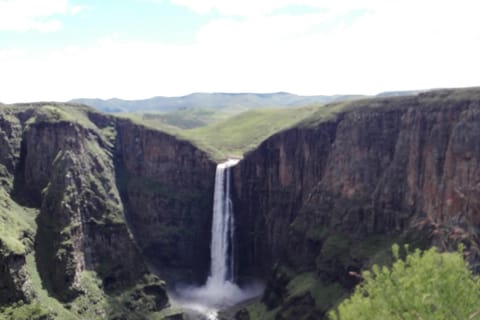
- + February sits squarely in Lesotho's green season. The highlands around Maseru turn into rolling emerald grassland after months of summer rain. The sandstone cliffs of Thaba-Bosiu glow amber against deep green hills. Maletsunyane Falls in Semonkong runs at full, thundering volume. This is a completely different spectacle from the thin trickle you would see in dry winter months.
- + This is low season for international tourism in Lesotho. The handful of guided tours to the highlands, pony treks, and cultural sites around Maseru operate without queues. You will not face the advance-booking pressure of cooler months, when South African school holidays bring cross-border visitors. Accommodation availability tends to be wider. You will likely have Thaba-Bosiu's summit almost to yourself on a weekday morning.
- + Afternoon thunderstorms, while dramatic, typically clear within an hour. They leave cool, freshly washed evenings with temperatures around 20 degrees C (68 degrees F). These evenings are pleasant for walking Maseru's Kingsway strip. They are pleasant for sitting outside with a plate of papa le moroho. The mornings before clouds build are some of the best weather you will experience anywhere in southern Africa. They are clear, bright, and warm. They lack the oppressive heat of the lowveld.
- + February is prime harvest season in the Lesotho lowlands. Roadside stalls along the main highways out of Maseru sell fresh maize, peaches, and leafy greens pulled from the field that morning. Traditional sorghum beer, brewed in large drums in villages around Maseru, reaches peak availability now. The fermented tang of motoho, the sour sorghum porridge drink that Basotho families make at home, is everywhere if you know where to look.
Considerations
- − Summer rains in February can turn unpaved mountain roads beyond Maseru into muddy, rutted challenges. A trip that takes two hours on dry gravel can stretch to four if a section has washed out. If you plan to reach Semonkong or Katse Dam, you need a properly equipped four-wheel-drive vehicle. You need a tour operator who knows current road conditions. The main tarred highways are fine. Anything marked as a secondary route on the map deserves respect.
- − Maseru sits at roughly 1,600 m (5,249 ft) above sea level. The highlands you will likely visit climb well above 2,500 m (8,200 ft). The altitude amplifies everything. UV exposure at this elevation is fierce even on overcast days. Dehydration creeps up faster than you expect. Mild headaches on your first day are common if you have flown in from sea level. Medical facilities in Maseru are limited. Serious cases typically require a 90-minute drive across the border to Bloemfontein, South Africa.
- − Crime in Maseru, after dark, is a real consideration. Carjacking occurs. Petty theft targets distracted tourists. Walking alone at night, along the Kingsway area or near the border bridge, is inadvisable. This is not a reason to skip Maseru. It does mean taking taxis after sunset. It means keeping valuables out of sight. It means carrying photocopies of your passport rather than the original.
Best Activities in February
Top things to do during your visit
Thaba-Bosiu Cultural Village and Plateau Hike
The flat-topped sandstone mesa of Thaba-Bosiu sits about 24 km (15 miles) east of central Maseru. King Moshoeshoe I built his mountain stronghold here in 1824. He held off Boer and British attacks for decades. In February, grassy slopes around the plateau are thick and green from summer rains. The footpath to the summit is steep, gravelly, and about 30 minutes up if you take it steadily. It rewards you with views of the Qiloane pinnacle. This conical rock formation inspired the shape of the traditional Basotho mokorotlo hat. The cultural village at the base includes a small museum. Displays cover Moshoeshoe's diplomacy and the Basotho clan system. There are reconstructed traditional rondavels. There are blanket-draped guides who walk you through the site in Sesotho and English. February mornings, before afternoon clouds stack up, are the best window. Expect clear light. Expect cool air around 20 degrees C (68 degrees F). Expect the summit usually empty. The heat of midday at this altitude can catch you off guard. Carry water. Start early.
Booking Tip: Book through a licensed local operator at least a few days ahead. Some guides take rest days midweek. The cultural village is open most days but keeps shorter Sunday hours. Check current tour options in the booking section below for Maseru-based operators who include transport.
Basotho Pony Trekking in the Highlands
Lesotho's Basotho ponies are stocky, sure-footed animals bred for mountain terrain. Riding one into the Maluti highlands is probably the single most distinctive thing you can do from Maseru. February is ideal. Mountain passes are free of ice and snow that close them in winter. Rivers are fordable. The landscape is at its most dramatic: thick green grass, wildflowers in the valleys, and waterfalls running everywhere. Routes range from a one-hour village loop near Semonkong to multi-day treks with overnight stops in remote rondavels. You do not need prior riding experience. The ponies know the trails better than you do. A Basotho guide walks or rides alongside. The smell of wet highland grass. The sound of hooves on loose shale. The sudden quiet when you crest a ridge above a village of stone-walled compounds. These are the sensory memories that stick. Afternoon storms mean mornings are the reliable window. Expect a 7 AM start.
Booking Tip: Give operators at least a day's notice. Give longer notice for multi-day rides. Community-run operations supply the ponies and guides. Your booking directly supports rural livelihoods. See current highland tour options in the booking section below.
Maletsunyane Falls and Semonkong Day Trip
Maletsunyane Falls drops roughly 192 m (630 ft) in a single cascade near the highland town of Semonkong. This makes it one of the highest single-drop waterfalls in southern Africa. February is when you want to see it. The summer rains feed a massive volume of water over the cliff edge. The spray cloud rising from the gorge below catches the light in a way that the dry-season trickle simply cannot match. The drive from Maseru takes about two hours each way. The route winds through highland villages where round stone rondavels with thatched roofs dot the grassland. The road can be rough after rain. A high-clearance vehicle is strongly recommended. Once at Semonkong, a walking trail leads to a viewpoint above the falls. The roar of the water hitting the pool below carries up the gorge wall. You feel the mist on your face from the overlook. Some operators combine this with a pony ride to the falls. Others add a visit to the Kome Cave Houses on the return leg.
Booking Tip: This is a long day. Start early. Book a full-day guided tour with transport from Maseru at least a week in advance during the rainy season. Road conditions sometimes require last-minute route changes. See current Semonkong tours in the booking section below.
Maseru City Cultural Walk and Craft Markets
Maseru is a small capital. You can walk the central Kingsway strip in under an hour. What it lacks in size it compensates for in texture. The Basotho Hat craft market sits inside a building shaped like the well-known mokorotlo conical hat. It sells handwoven Basotho blankets. These are the heavy wool ones with geometric patterns that Basotho men and women wear draped over their shoulders year-round, even in the February heat. The market also stocks grass-woven baskets and pottery. The Cathedral of Our Lady of Victories, a stone church built in the 1860s, sits near the top of Kingsway. Its cool, dark interior smells of old wood and candle wax. This is a welcome respite from the midday sun. From there, you can see Lion Rock to the south. This sandstone formation is shaped unmistakably like a crouching lion. February mornings in Maseru are warm and clear. Market vendors set up under corrugated tin shade structures. The smell of grilled maize drifts from curbside braziers. The trick is to do your walking before noon. Duck indoors during the afternoon storm window. Come back out when the air cools around 4 PM.
Booking Tip: A guided walking tour adds local context you will not pick up on your own. Ask about ones that include Kingsway, the Basotho Hat, and the cathedral. Check the booking section below for current Maseru city tour options.
Katse Dam and Highlands Water Project Tour
Katse Dam, the centrepiece of the Lesotho Highlands Water Project, sits in a dramatic mountain gorge roughly 185 km (115 miles) northeast of Maseru. The engineering alone is staggering. A 185 m (607 ft) double-curvature arch dam holds back a reservoir that supplies water to South Africa's Gauteng province. But it is the drive that justifies the trip. The mountain road climbs through a succession of passes above 2,500 m (8,200 ft). February's green carpet of highland grass stretches to the horizon. Basotho herders in blankets tend cattle on slopes so steep you wonder how anything stays upright. Guided tours take you inside the dam wall. They also lead through an interpretive centre that explains the project's scale. The reservoir itself, turquoise against brown rock, is surreal at this altitude. This is properly a two-day trip with an overnight near the dam. The determined can make it a very long day if road conditions cooperate. February rains can slow the drive considerably.
Booking Tip: Book an overnight highlands circuit. Do not try to rush the round trip in a single day. Operators who know the mountain roads are essential. Do not attempt the drive independently without four-wheel-drive experience on unpaved mountain passes. See the booking section below for current Katse Dam tours.
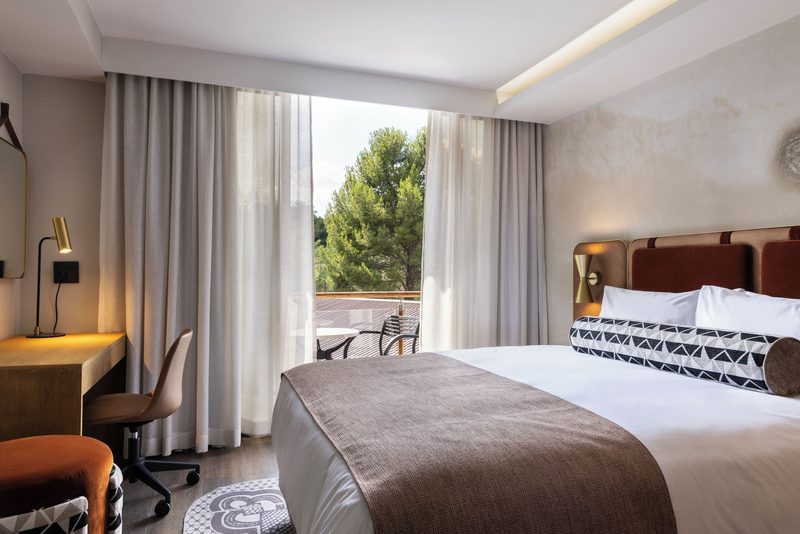
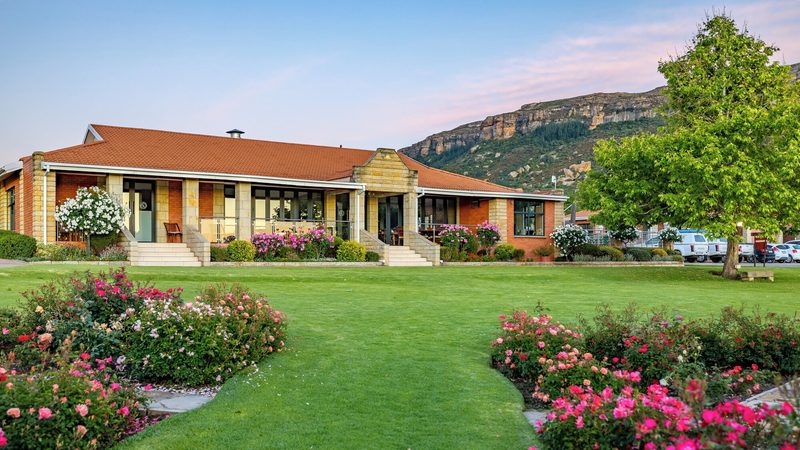
Where to Stay in Maseru in February
Hand-picked hotels across price tiers for February travellers.
Packing Checklist
Bookmark this page — your progress is saved between visits
Need the full list with shopping links?
Climate-specific gear, brand recommendations, and what to leave at home.
View Maseru Packing List →Essential Tips
Insider knowledge and common pitfalls to avoid
Insider Knowledge
The border crossing between Maseru and Ladybrand, South Africa, via the Maseru Bridge gets congested on Friday afternoons and Sunday evenings when cross-border shoppers and workers move between the two countries. If you are arriving from South Africa, aim for a midweek morning crossing or arrive before 8 AM on weekends. The queue can stretch to over an hour at peak times. There is no shade on the bridge itself.
Maseru's best traditional food is not in restaurants. Look instead at the informal roadside stalls along Main South Road heading toward the southern highlands. Women sell papa, stiff maize-meal porridge, served on a metal plate with moroho, the local braised wild greens that taste earthy and slightly bitter, and a ladle of chakalaka-spiced bean relish. The combination is filling, cheap, and unavailable in any tourist-facing establishment. Eat with your right hand, the way Basotho do. Tear off a piece of papa and press it into the greens.
If you are planning highland excursions, fill your fuel tank in Maseru before you leave. Once you pass the Roma turnoff heading east, petrol stations become scarce and unreliable, and the mountain grades burn fuel fast. The same applies to cash. ATMs outside Maseru are rare, and many highland lodges and pony-trek operators do not accept cards. Draw South African Rand or Lesotho Loti at one of the banks along Kingsway before heading into the mountains.
The Basotho blanket is not a souvenir. It is a living garment with specific patterns that carry meaning. The Seanamarena design, with its corncob motif, is worn at ceremonies. The Lekhokolo pattern marks status. Before you buy one at the Basotho Hat craft market, ask the vendor to explain the pattern. You will learn more about Basotho culture in that five-minute conversation than in most museum exhibits. The blankets themselves are heavyweight wool that will outlast anything you own.
Avoid These Mistakes
Underestimating the altitude. Maseru sits at 1,600 m (5,249 ft), and any highland excursion takes you well above 2,500 m (8,200 ft). Visitors who fly in from sea-level cities and immediately set off on a strenuous hike or pony trek often hit headaches, nausea, and fatigue by midday. Spend your first day in Maseru itself. Walk at a moderate pace. Drink far more water than you think you need. Save the highland trips for day two or later.
Trying to do Katse Dam as a day trip from Maseru. The drive is roughly 185 km (115 miles) each way on mountain roads that can be slow and unpredictable after February rain. Operators who advertise a single-day return are selling you six or more hours of driving with a brief stop at the dam. Stay overnight near the reservoir instead. experience the highlands rather than watching them blur past a car window.
Leaving valuables visible in a parked car, near the Maseru Mall or Kingsway shopping areas. Smash-and-grab theft is the most common crime tourists encounter, and it is entirely preventable. Lock everything in the boot before you arrive at your destination, not after you park. Thieves watch for the transfer. Better yet, leave the passport and excess cash at your accommodation and carry only what you need for the day.
Ready to plan your trip to Maseru?
Now that you've got the research covered, here's where to go next.
Book Experiences in Maseru
Top-rated things to do in Maseru this February

Explore More Activities in Maseru
Didn't see anything interesting yet?
Browse Viator's full catalog of tours, day trips, food experiences, and private guides in Maseru.
See All Maseru Tours on Viator