Things to Do in Maseru in June
June weather, activities, events & insider tips
Low Season · Budget Friendly
June Weather in Maseru
Long-run averages for June
62°F (16°C)
High Temp
32°F (0°C)
Low Temp
0.5 inches (13 mm)
Rainfall
64%
Humidity
4
Sunny-Day UV
⚠ Freezing overnight temperatures are routine in June, with ground frost common by dawn. Exposed skin and inadequately insulated accommodation are genuine risks, not inconveniences. Hypothermia is possible. Unprepared hikers caught at altitude after sunset face real danger.
⚠ Black ice forms on mountain roads above 2,000 m (6,562 ft) during the early morning hours. Highland passes connecting Maseru to destinations like Katse Dam, Semonkong, and Afriski can close without warning after snowfall. Check road conditions with local authorities before any highland drive.
⚠ Medical facilities in Maseru are limited. The nearest well-equipped hospital is in Bloemfontein, South Africa, roughly 90 minutes by road. Travel insurance with medical evacuation coverage is not a luxury for a June trip. It is a necessity.
Is June Right for You?
Weigh the advantages and considerations before booking
Advantages
- + June is Maseru's driest month, with only 13 mm (0.5 inches) of rain on average. The sky stays clean and wide for days at a stretch, and the visibility across the Mohokare River valley and up toward the Maluti range is the best you will get all year. For photography and highland hikes, this is the window.
- + Tourist numbers thin out dramatically once winter sets in. The craft sellers along Kingsway have time to talk, the Thaba Bosiu plateau trail is practically yours alone, and accommodation rates across the city drop to their annual floor. You will not compete with anyone for a table, a guide, or a view.
- + Afriski Mountain Resort, sub-Saharan Africa's only operational ski area, opens its season in June. The resort sits at 3,200 m (10,500 ft) in the northern Maluti Mountains, and while the runs are modest by alpine standards, skiing in Africa is a genuine rarity. Snow machines supplement the natural snowfall, and the atmosphere on a clear highland day is unlike any other ski destination on the continent.
- + The dry winter air at 1,600 m (5,249 ft) carries sound differently. Maseru in June is quieter than you expect a capital to be, and on cold mornings the city smells like woodsmoke and coal from the braziers locals use to heat rooms in homes that largely lack insulation. It is an honest, unpolished version of the city that the warmer months soften.
Considerations
- − Nights regularly drop to freezing. Frost coats car windscreens and the dry grass along the Mohokare River by dawn, and many guesthouses and lodges have minimal heating. If you are not prepared for genuine cold, and for sleeping in it, June will wear you down fast.
- − Daylight runs short. Sunrise comes after six-thirty and sunset arrives before five-thirty, which compresses outdoor activity into roughly ten usable hours. Late-afternoon hikes at Thaba Bosiu or on the Qeme Plateau need to start earlier than you think, or you will be descending in fading light.
- − Highland mountain passes that connect Maseru to destinations like Katse Dam or Semonkong can become treacherous with black ice and occasional snow. Road conditions deteriorate quickly at elevation, and some routes close entirely after heavy snowfall. If your plans depend on highland driving, build in flexibility and always check road reports before departing.
Best Activities in June
Top things to do during your visit
Thaba Bosiu Cultural Heritage Trek
The sandstone plateau of Thaba Bosiu rises about 20 km (12.4 miles) east of Maseru, and in June the trail up from the visitor centre at its base is dry, firm underfoot, and free of the summer mud that turns the steeper pitches into something close to a scramble. This is the mountain fortress where Moshoeshoe I unified the Basotho nation in the 1820s, and from the flat summit on a clear winter morning you can see Mount Qiloane, the conical sandstone pillar that inspired the shape of the mokorotlo straw hat every Mosotho recognises. The Cultural Village at the base includes a replica of a traditional Sotho homestead, and the cold, still air at the top carries the silence of a place that changed the history of southern Africa. Allow three to four hours for the round trip, and start early enough that you are on the summit while the morning light rakes across the valley below.
Booking Tip: Book through licensed cultural tour operators at least a week ahead during winter, as some reduce their schedules in the low season. The visitor centre at the base of Thaba Bosiu arranges guided walks. But confirm availability by phone before driving out. See current guided tour options in the booking section below.
Basotho Blanket and Craft Market Tour in Maseru
The Mokorotlo building on Kingsway, shaped like the well-known Basotho conical hat, houses a museum and craft shop where mohair tapestries, hand-woven blankets, and local pottery are sold by artisans who can explain the symbolism woven into every pattern. In June, you will want a Basotho blanket for practical reasons before you want one as a souvenir: the heavy wool-and-cotton weave is designed for exactly these temperatures, and watching a weaver work while you wrap one around your shoulders in the unheated interior of a craft workshop is the kind of sensory overlap that makes a place stick in your memory. The blanket is not a curio. It is the national emblem of Lesotho, worn at coronations and funerals, weddings and cattle drives, and the particular designs, the Seanamarena patterns, carry meanings that a good guide will walk you through. The adjacent market stalls sell mokorotlo hats, beadwork, and carved soapstone, and the quality is generally higher here than at roadside stops. Plan for a full morning.
Booking Tip: No advance booking is usually required for the Mokorotlo building or the market stalls. But hiring a local cultural guide enriches the experience enormously and supports the community directly. Check current cultural walking tour options in the booking section below.
Highland Pony Trekking from Malealea
The Basotho pony is a sturdy crossbreed of Javanese and European stock, bred for generations to navigate highland terrain that would break the ankles of a taller horse. June is good for trekking because the trails are dry and hard-packed, the air is so clear you can see distant ridgelines that disappear into haze during the wet summer months, and the cold keeps the flies away. You do not need riding experience. The ponies are calm, sure-footed, and accustomed to the gradients. Rides range from a two-hour loop through the foothills to multi-day treks with overnight stays in remote mountain villages, where your hosts cook over open fires and the night sky, at altitudes above 2,000 m (6,562 ft), is dense with stars in a way that lower elevations cannot replicate. Malealea sits roughly 130 km (81 miles) south of Maseru, so plan on an overnight. Bring every warm layer you own: once the sun drops behind the mountains, the temperature falls fast.
Booking Tip: Book multi-day treks at least two weeks ahead, as winter reduces guide availability and daylight hours limit daily riding distance. Local lodges near Malealea coordinate treks and village stays. See current options in the booking section below.
Afriski Mountain Resort Winter Sports
Skiing in Africa sounds wrong until you are standing at 3,222 m (10,571 ft) in the Maluti Mountains watching snow machines lay fresh powder on 17 hectares of runs while highland wind cuts through your jacket. Afriski is sub-Saharan Africa's only fully operating ski resort. Its winter season runs June through August. The terrain suits beginners to intermediates. The rental gear works. It is not fancy. The novelty is real. Views from the slopes stretch across empty highland that looks nothing like brochure Africa. The lodge fills on winter weekends with South African families driving north from Free State. The resort sits about four hours from Maseru via Butha-Buthe. Road conditions above 2,500 m (8,202 ft) can include ice. Leave early. Drive carefully.
Booking Tip: Book Afriski accommodation at least three weeks ahead for June weekends. Capacity stops at around 420 beds. South African school holidays overlap. Day passes usually stay available midweek. Check current availability in the booking section below.
Maletsunyane Falls and Semonkong Valley Hike
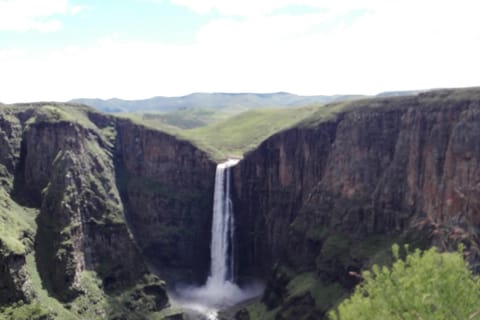
Maletsunyane Falls drops roughly 192 m (630 ft) in one plunge, among the highest single-drop waterfalls in southern Africa. In June, reduced flow makes it more photogenic. Spray thins enough to see the full curtain against dark basalt cliffs. The surrounding gorge, stripped of summer green, shows geology the wet season hides. The hike down from Semonkong takes about two hours each way on a steep trail. Winter keeps it dry and manageable. January would turn it to mud. Semonkong is a small highland town about 115 km (71 miles) southeast of Maseru. The drive in matters. The road climbs through brown winter grassland dotted with round stone huts trailing woodsmoke. Silence after leaving tarmac is absolute. Abseil operators run cables down the falls face during dry season. Some people step backwards off cliffs in freezing air. That is their choice.
Booking Tip: The drive from Maseru to Semonkong takes roughly three hours. Roads worsen as you climb. Plan an overnight. Book abseil and guided hike slots at least ten days ahead through licensed adventure operators. See current options in the booking section below.
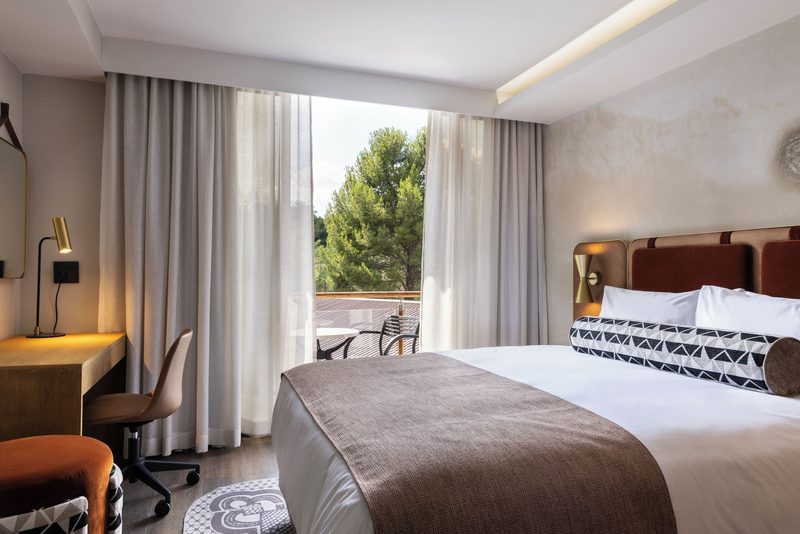
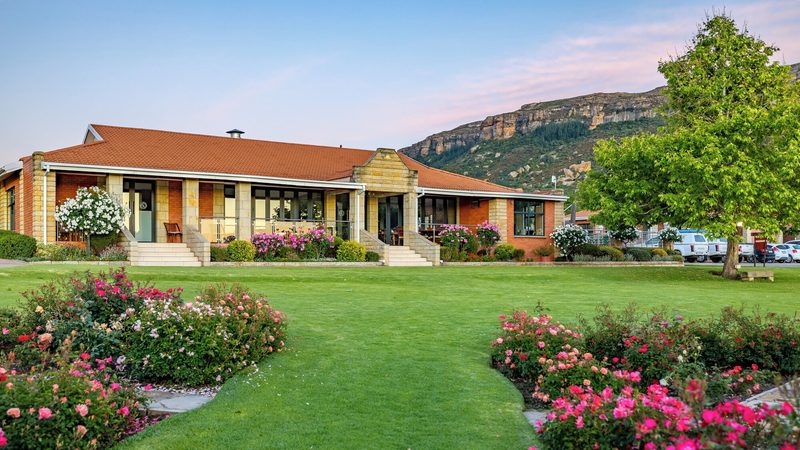
Where to Stay in Maseru in June
Hand-picked hotels across price tiers for June travellers.
Packing Checklist
Bookmark this page — your progress is saved between visits
Need the full list with shopping links?
Climate-specific gear, brand recommendations, and what to leave at home.
View Maseru Packing List →Essential Tips
Insider knowledge and common pitfalls to avoid
Insider Knowledge
The Basotho blanket is not a tourist purchase. It is the warmest thing you will own on a June night in Maseru. Buy one at the Mokorotlo craft shop on Kingsway on your first day. Use it every night. The heavier Seanamarena patterns are what locals wear for winter, not the lighter tourist-weight versions at the front of the shop. Ask to see stock behind the counter.
Agree on taxi fares before getting in. Maseru taxis do not run meters. The fare quoted at the airport or Maseru Bridge border crossing will exceed what locals pay for the same trip. Ask your accommodation to arrange transport or to name the going rate for your route. Save the driver's number. A reliable one beats a rental car in a city where driving habits are aggressive and road signs are sparse.
The best time to photograph Maseru's skyline and the Mohokare River valley is between seven and eight in the morning. Frost still covers the ground. Woodsmoke from coal braziers hangs in horizontal layers. The light stays low and golden. By ten, the sun climbs high enough to wash the colour out. If you hike Thaba Bosiu, aim to reach the summit for this light.
Do not walk alone after dark. Government travel advisories from Canada, the UK, and Australia all flag Maseru as a high-crime area, with armed robbery and opportunistic theft the main risks. This is not paranoia. It is the consistent experience of residents and visitors. Keep valuables concealed, stay in well-lit areas, and use a vehicle for any movement after sunset. During daylight hours, the city centre around Kingsway and the Basotho Hat building is generally safe and busy.
Avoid These Mistakes
Underestimating the cold. Maseru sits at 1,600 m (5,249 ft), and June nights drop to 0°C (32°F). Travelers arriving from Johannesburg or Durban in summer clothing end up buying blankets within hours. Pack for genuine winter. Do not pack for a cool evening.
Treating Katse Dam as a day trip from Maseru. The drive to the dam runs through highland mountain roads that climb above 2,500 m (8,202 ft) and can take four or more hours each way. In June, ice on the passes adds time and risk. This is a two-day excursion at minimum. Trying to compress it into one day means you will be driving back in darkness on roads without guardrails.
Arriving without South African rand. Lesotho's loti is pegged one-to-one with the rand, and rand is accepted everywhere in Maseru. But loti are not accepted in South Africa. If you are crossing the border for medical care, shopping, or flights, you need rand. ATMs in Maseru exist but are not always reliable. Carry cash as a backup.
Ready to plan your trip to Maseru?
Now that you've got the research covered, here's where to go next.
Book Experiences in Maseru
Top-rated things to do in Maseru this June

Explore More Activities in Maseru
Didn't see anything interesting yet?
Browse Viator's full catalog of tours, day trips, food experiences, and private guides in Maseru.
See All Maseru Tours on Viator