Things to Do in Maseru in January
January weather, activities, events & insider tips
Low Season · Budget Friendly
January Weather in Maseru
Long-run averages for January
83°F (28°C)
High Temp
58°F (14°C)
Low Temp
4.8 inches (122 mm)
Rainfall
66%
Humidity
14
Sunny-Day UV
⚠ Violent afternoon thunderstorms with frequent lightning are common throughout January. Avoid exposed ridges, hilltops, and open water from early afternoon onward. Lightning strikes are a genuine hazard at altitude, and Lesotho has one of the highest lightning-related fatality rates in southern Africa. Take shelter early.
⚠ Flash flooding hits unpaved roads and river valleys after heavy downpours. Never drive through flowing water across a road surface, even if it looks shallow. River crossings on highland routes can rise from ankle-deep to impassable within thirty minutes of a storm upstream. Water deceives. Turn back.
⚠ Hailstorms strike sporadically in January with almost no warning. Hailstones large enough to crack a windscreen have been recorded in the Maseru district. Watch for rapidly darkening skies with a greenish tint. Get your vehicle under cover immediately. Or pull over and protect yourself. Act fast.
Is January Right for You?
Weigh the advantages and considerations before booking
Advantages
- + The highlands around Maseru turn impossibly green in January. The Maloti foothills carpet themselves in summer grasses. The Caledon River runs full and brown below the city. Waterfalls across Lesotho reach peak volume after weeks of rain. Maletsunyane Falls near Semonkong towers at its most powerful. The landscape photographs better now than any other month.
- + January brings school holidays and festive season wind-down across southern Africa. Maseru's guesthouses and lodges have availability now. That same availability vanishes by Easter. It disappears again for Moshoeshoe Day in March. Rates sit at their annual baseline. You will not fight busloads of school groups at Thaba Bosiu. The national museum stays quiet too.
- + Summer daylight stretches past seven in the evening. You get long warm hours for the drive to Katse Dam. Afternoons at the craft stalls near the Basotho Hat building feel unhurried. Sunrise hits the sandstone bluffs east of Maseru around five-fifteen. The golden window runs six to eight in the morning. Air stays cool enough for comfortable hiking then. Midday heat arrives fast after that.
- + Fresh summer produce floods Maseru's markets in January. Vendors line Kingsway. The central market bustles. They sell fat tomatoes. Green maize still wears its husk. Bundles of moroho greens arrive daily from city edge plots. Kitchen access? This is your month. Eat locally grown food at its seasonal peak.
Considerations
- − Afternoon thunderstorms hit nearly every day in January. They build from one or two in the afternoon. Lightning comes dramatic. Downpours turn heavy. Hail sometimes dents car roofs. Storms pass within forty-five minutes to an hour. They can still strand you indoors. Unpaved roads become mud. The drive to Semonkong turns hazardous if you time it wrong.
- − Altitude heat surprises people. Maseru sits at roughly 1,550 m (5,090 ft). The sun burns harder than thermometers suggest. January UV index hits extreme. Sunburn sets in within twenty minutes of unprotected exposure. Fair-skinned visitors suffer most. Sea-level sunshine habits do not prepare you here.
- − Road conditions outside Maseru deteriorate in wet season. Many highland routes stay unpaved. January rain creates rutted mud tracks. You need a proper 4x4 with good ground clearance. Even the paved road toward Katse Dam develops potholes and washouts. Renting a sedan? You are limited to Maseru lowlands. The main highway toward Ladybrand becomes your only safe route.
Best Activities in January
Top things to do during your visit
Thaba Bosiu National Monument and Cultural Village
King Moshoeshoe I built his stronghold on a flat-topped mountain. It sits about 24 km (15 miles) east of Maseru. Climb in January's early morning cool. Storms roll in later. The plateau stays eerily quiet. Wind moves through grass. Cattle bells drift up from valleys below. Views stretch across green lowlands to the South African border. The cultural village waits at the base. Basotho huts wear reed-thatch roofs. Artisans shape clay and grass into pottery and woven hats. January grass on the mountainside runs waist-high and brilliant green. The climb feels like walking through a meadow. Remember you are scaling a fortress. The final sandstone scramble demands decent footwear. It requires a bit of nerve. Hire a local guide. They narrate siege histories. They point out graves and defensive walls you would otherwise miss. The whole visit takes about half a day. That includes drive, cultural village, and climb.
Booking Tip: Arrange guided visits through licensed cultural heritage operators. Book two to three days ahead. Site guides are usually available on arrival. Quality varies. Want the best historical narration? Book through established operators listed in the booking section below. Start early. Seven or seven-thirty works. Finish the climb before afternoon heat and storms.
Basotho Pony Trekking in the Maloti Foothills
The Basotho pony is sturdy and sure-footed. This breed has carried Basotho herders across mountains for two centuries. Riding one through summer highlands is arguably Lesotho's most distinctive experience. January foothills saturate themselves green. Streams run fast and cold. They sting your ankles at crossings. Shepherds appear in well-known Basotho blankets and conical mokorotlo hats. They tend flocks on slopes too steep for walking. No prior riding experience needed. The ponies know these trails better than you ever will. They handle rocky descents with casual competence. It borders on insulting. Treks range from two-hour loops to multi-day rides. Overnight stays happen in mountain villages. You sleep in rondavel huts. You eat papa with moroho cooked over paraffin stoves. January's catch? Afternoon rain. Half-day morning treks prove more comfortable. Full-day rides leave you exposed on ridges when lightning starts.
Booking Tip: Book pony treks at least a week ahead in January. Summer holiday period means local families ride too. Look for operators providing helmets and rain ponchos as standard. Morning departures work best. Leave by eight. You get the best weather window. See current guided trek options in the booking section below.
Maletsunyane Falls Day Trip from Maseru
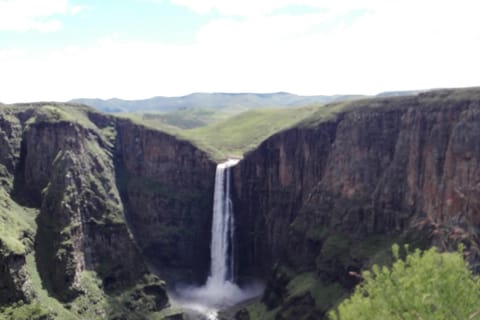
The drive from Maseru to Semonkong takes roughly three hours on a road that starts paved and ends in a gravel track winding through highland valleys, and in January the falls reward the effort with their most dramatic volume of the year. Maletsunyane drops approximately 192 m (630 ft) in a single plunge into a gorge thick with mist and the roar of water hitting rock. You feel the spray on your face from the viewpoint above, and the sound is physical, a low vibration in your chest that makes conversation pointless. The walk from the lodge in Semonkong to the falls takes about forty-five minutes on a trail that can be slippery after rain, so waterproof boots and a walking stick help. January also means the surrounding cliffs are draped in green moss and ferns that disappear in the dry months, and the late-afternoon light through the mist creates rainbows that photographers wait hours for. Plan to leave Maseru by six in the morning to arrive before noon and have time at the falls before the storms come through.
Booking Tip: A 4x4 vehicle is essential for the final stretch of road in January. Book accommodation near the falls at least two weeks ahead if you want to stay overnight and catch the morning light. Guided hikes to the base of the falls are available on arrival. Check current tour packages in the booking section below.
Maseru Craft Markets and Basotho Blanket Shopping
The Basotho blanket is not a souvenir. It is a garment with social meaning, worn to signal status, marital stage, and clan identity, and buying one in Maseru means engaging with a textile tradition that predates the country's independence. The craft stalls clustered around the Basotho Hat building on the edge of the city centre sell blankets in the classic designs, the Seanamarena patterns with their distinctive corn-cob and cabbage-leaf motifs woven in bold earth tones and indigo. Nearby, at the central market along Kingsway, vendors spread woven grass hats, beaded jewellery, and carved walking sticks on blankets laid directly on the pavement. In January the heat drives trading into the shade of corrugated-iron awnings, and the smell of roasting maize from nearby food stalls mixes with the lanolin scent of new wool blankets. Bargaining is expected at the market stalls but not at the more formal shops in Pioneer Mall or Maseru Mall. The mokorotlo hat, the conical straw design that inspired the Basotho Hat building itself, makes a lighter and more packable purchase than a full blanket.
Booking Tip: No advance booking needed. Visit the craft stalls in the morning when vendors are fresh and selection is fullest. For blankets, check the label for the manufacturer and ask about the wool content. The booking section below may list guided cultural walking tours of Maseru that include market visits with context on what you are seeing.
Katse Dam and Mountain Pass Drive
The drive from Maseru to Katse Dam crosses some of the most dramatic mountain scenery in southern Africa, climbing from the lowlands at 1,550 m (5,090 ft) to passes above 3,000 m (9,840 ft) where the air thins noticeably and the temperature drops by ten degrees. In January the road winds through valleys so green they look digitally saturated, with waterfalls spilling off rock faces that are bone-dry by August. Katse Dam itself, part of the Lesotho Highlands Water Project that supplies water to South Africa, sits in a bowl of mountains with water the colour of dark tea from the highland peat. The engineering is staggering, a double-curvature arch dam 185 m (607 ft) tall, and guided tours of the dam wall give you a sense of scale that photographs cannot capture. The return drive takes the same mountain road, so plan for a full day and carry snacks, water, and a warm layer for the altitude. January cloud formations over the peaks are spectacular, towering cumulonimbus stacks that build through the afternoon and light up orange and purple at sunset.
Booking Tip: Book a dam tour through the visitor centre, ideally by phone a few days ahead, as January can see higher local visitor numbers. A 4x4 is strongly recommended for the mountain passes after rain. Start the drive by six in the morning to reach Katse before the afternoon weather closes in. See guided highland tour options in the booking section below.
Where to Stay in Maseru in January
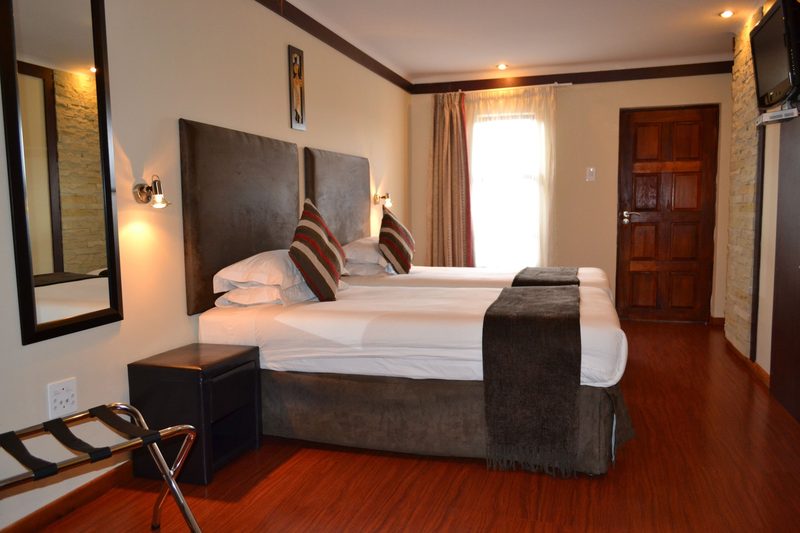
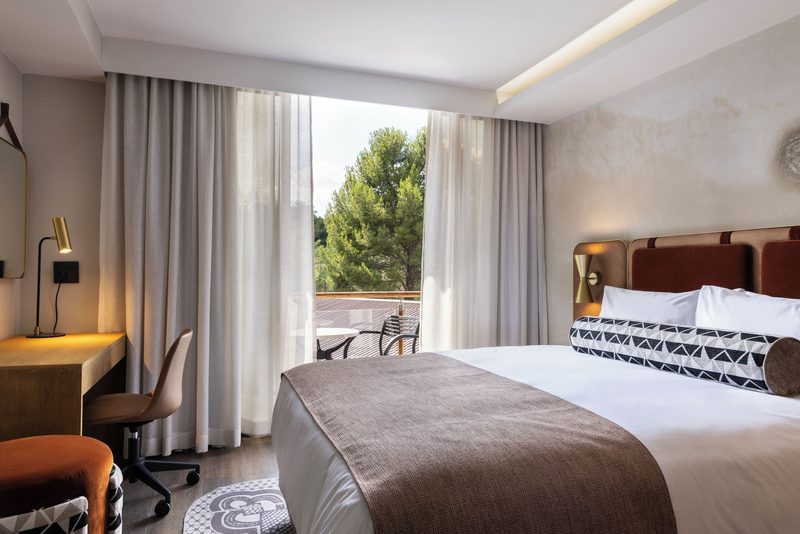
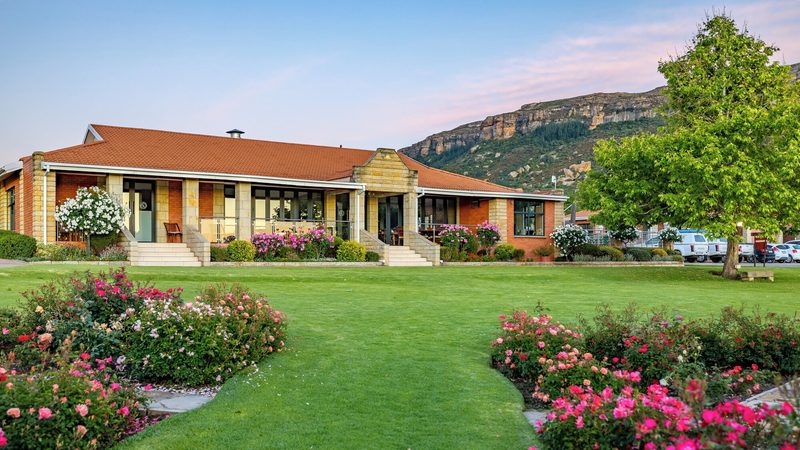
Hand-picked hotels across price tiers for January travellers.
Public Holidays in January
Dates that affect opening hours, transport and crowds
New Year's Day
Observed nationwide as a public holiday.
New Year's Day
Observed nationwide as a public holiday.
Packing Checklist
Bookmark this page — your progress is saved between visits
Need the full list with shopping links?
Climate-specific gear, brand recommendations, and what to leave at home.
View Maseru Packing List →Essential Tips
Insider knowledge and common pitfalls to avoid
Insider Knowledge
The Maseru Bridge border crossing into South Africa can back up badly on Friday evenings and Sunday afternoons when South African day-trippers and Basotho workers commute. If your flight departs from Bloemfontein, which is the nearest major airport at roughly 140 km (87 miles) west, cross early in the morning. The border opens at six. The queue at six-thirty is a fraction of what it becomes by ten.
Basotho etiquette matters more than tourists realise. Greet everyone you encounter with 'Lumela' (hello to one person) or 'Lumelang' (hello to a group) before any other interaction, whether you are buying a blanket, asking for directions, or hiring a pony. Skipping the greeting is considered rude and will change the tone of the entire exchange. A handshake in Lesotho is offered with the right hand while the left hand touches your own right forearm, a sign of respect. Always greet first.
The best views of Maseru come not from the city itself but from the South African side of the Caledon River at Ladybrand, about 15 km (9 miles) across the border. From the hills above the town you can see the entire city spread below the Hlabeng-Sa-Likhama foothills, with the cathedral spires and the Basotho Hat building visible against the green backdrop. Some photographers cross specifically for golden-hour shots of the Maseru skyline. Worth the trip.
January evenings bring out street-side braai vendors along the main roads near Kingsway. The smell of grilling beef and boerewors sausage carries for blocks, and the best vendors have the longest queues of local workers heading home. Papa with chakalaka, a spiced relish of onion, tomato, and peppers, and a heap of grilled meat is the default Maseru supper in summer, eaten standing or perched on a low wall. Follow the smoke and the crowd. Trust the locals.
Avoid These Mistakes
Never underestimate how quickly the weather turns. Tourists plan a full day outdoors, see blue sky at breakfast, and get caught in a violent electrical storm on an exposed hillside by two in the afternoon. The pattern in January is reliable: clear mornings, cloud build-up by noon, heavy storms from one to four, then clearing by evening. Plan outdoor activities for the morning and indoor or sheltered plans for the afternoon. Morning is sacred.
Avoid treating Maseru as a day trip from Bloemfontein or the Free State. The border crossing alone can eat ninety minutes each way, and the city rewards slow exploration of its markets, food stalls, and the drive out to Thaba Bosiu. Two nights minimum gives you a morning at the craft markets, a half-day at Thaba Bosiu, and time for an unhurried meal without watching the clock for the border queue. Stay longer.
Never drive unpaved highland roads without a 4x4 in January. Rental sedans from the South African side are cheap, and tourists assume they can handle the road to Semonkong or Katse Dam. After heavy rain, water crosses the road surface, ruts deepen to axle depth, and a sedan bottoms out within the first hour. If you do not have a high-clearance vehicle, book a guided tour with an operator who does. Sedans will fail.
Ready to plan your trip to Maseru?
Now that you've got the research covered, here's where to go next.
Book Experiences in Maseru
Top-rated things to do in Maseru this January

Explore More Activities in Maseru
Didn't see anything interesting yet?
Browse Viator's full catalog of tours, day trips, food experiences, and private guides in Maseru.
See All Maseru Tours on Viator