Things to Do in Maseru in May
May weather, activities, events & insider tips
Low Season · Budget Friendly
May Weather in Maseru
Long-run averages for May
67°F (19°C)
High Temp
38°F (3°C)
Low Temp
1.0 inches (25 mm)
Rainfall
61%
Humidity
5
Sunny-Day UV
⚠ Ground frost is common from mid-May onward, outside central Maseru, and overnight temperatures at highland destinations like Katse Dam or Semonkong can drop well below freezing. If your accommodation uses electric heaters, be aware that power outages do occur in Lesotho and will leave you without heat. Pack layers warm enough to sleep in if necessary.
⚠ The daily temperature swing of up to 16°C (29°F) between midday and dawn is sharper than most travelers expect. A sunny afternoon at 19°C (67°F) can feel almost comfortable in a T-shirt, but within two hours of sunset the chill sets in fast and hard. Layering is not a suggestion, it is the difference between enjoying May in Maseru and lasting it.
Is May Right for You?
Weigh the advantages and considerations before booking
Advantages
- + May brings the dry season in full force. Just 25 mm (1.0 inch) of rain falls across the entire month. Maseru's skies stay clear for days at a stretch. You get unbroken sightlines to the Maluti Mountains from almost anywhere in the city. Conditions stay reliably dry for hiking Thaba Bosiu or driving the highland passes toward Katse Dam. Plan outdoor days without rain contingencies. Summer months never allow this.
- + Daytime temperatures hover around 19°C (67°F). This hits the sweet spot for walking and hiking. The draining summer heat that makes Maseru's exposed sandstone trails uncomfortable from November through February has vanished. The full winter freeze has not locked in yet. Mornings warm quickly once the sun clears the eastern ridgeline. By 10 AM you are shedding layers rather than adding them.
- + Tourist numbers sit at their lowest. Thaba Bosiu, the Mokorotlo craft centre, and the highland pony trekking routes operate without queues. No advance-booking pressure. Accommodation rates drop noticeably compared to the December-January holiday peak. You will likely have cultural sites and highland viewpoints almost entirely to yourself. This changes the character of the experience considerably.
- + The low-angle autumn sun at Maseru's 1,600 m (5,249 ft) elevation produces golden light across the sandstone bluffs and dry grasslands. This simply does not exist during the summer months. Late-afternoon colours run through copper, ochre, and burnt sienna on the hills east of the city. The clear dry air sharpens every ridge and valley into contrast that makes photographs look retouched even when they are not.
Considerations
- − Nights drop close to freezing at 3°C (38°F). Maseru's accommodation does not universally include central heating. Some guesthouses rely on portable electric heaters or extra blankets. Cold seeps through concrete walls after midnight. If you tend to sleep cold, confirm heating arrangements before you book. Discovering this at 2 AM with chattering teeth is a distinctly unpleasant Maseru initiation.
- − Daylight contracts to roughly eleven hours by late May. Sunset arrives around 5:15 PM. This compresses afternoon excursions noticeably. Highland destinations like Katse Dam or Semonkong require particular attention. The return drive crosses mountain passes that are unlit, narrow, and dangerous after dark. Every highland trip needs a hard turnaround time built into the plan.
- − A few remote highland lodges and pony trekking operations scale back or pause as winter settles in. Multi-day treks toward Malealea or beyond Semonkong may require coordination well in advance. Some river crossings become unpredictable if early frost hits. Maseru itself has a limited restaurant and nightlife scene year-round. It thins further in the cooler months.
Best Activities in May
Top things to do during your visit
Thaba Bosiu Heritage Plateau Hike
The sandstone plateau of Thaba Bosiu sits about 24 km (15 miles) east of Maseru. May is arguably the best month to climb it. The trail to the summit takes roughly ninety minutes at a measured pace. It winds through dry golden grass that crackles underfoot. You pass weathered rock faces where you can trace the marks of centuries-old fortification walls. At the top, the remains of King Moshoeshoe I's royal village spread across the flat summit: stone foundations, burial sites, and a view across the Berea Plateau that stretches to the Maluti foothills on a clear May morning. The air at this altitude is cool and thin enough that you feel every breath on the steep sections. The reward is a panorama washed in that particular highland light, amber grass against deep blue sky, that the hazy summer months simply cannot produce. Go early. Ideally by 8 AM. Catch the low morning sun raking sideways across the stone ruins. May's low visitor numbers mean you may have the entire summit to yourself. Nothing but wind through the scrub and the occasional call of a sentinel rock thrush on the old walls.
Booking Tip: Arrange a guided tour with transport from Maseru at least a week ahead. The site has limited visitor infrastructure on its own. A knowledgeable guide transforms the experience from a hike into a history lesson. Allow a full morning. See current guided options in the booking section below.
Highland Pony Trekking on Basotho Ponies
Lesotho's Basotho ponies are stocky, sure-footed animals bred across generations for mountain terrain. Riding one through the highlands in May's dry, cool conditions is the closest you will come to understanding how the Basotho have moved through this landscape for centuries. The ponies pick their way along shepherds' trails above 2,000 m (6,560 ft). They cross shallow streams and climb scree paths no vehicle could manage. In May the trails are firm and dry underfoot. Rivers run low enough to ford without drama. The cold morning air carries the smell of woodsmoke drifting from scattered villages in the valleys below. Half-day and full-day rides operate from centres within two to three hours of Maseru. Village-based guides know every switchback and shortcut. The ride itself is not technical. The ponies do most of the thinking. The altitude and biting early-morning cold mean dressing in proper layers makes the difference between a memorable ride and a miserable one. Overnight treks that include sleeping in a traditional stone rondavel are available. They require booking further in advance during May. Staffing at remote centres tends to thin as winter approaches.
Booking Tip: Book at least two weeks ahead for day rides. Book three weeks for overnight treks. Confirm that your operator is running May departures before you commit. Some reduce schedules in the cooler months. Check current highland trek options in the booking section below.
Katse Dam and Mountain Pass Day Drive
The drive from Maseru to Katse Dam runs roughly 200 km (124 miles) through the highlands via some of southern Africa's most dramatic mountain passes. May delivers the best driving conditions of the year: dry tarmac, minimal fog, and visibility that opens up views stretching dozens of kilometres across layered basalt ridges. The dam itself, part of the Lesotho Highlands Water Project, sits in a massive valley at around 2,200 m (7,218 ft). The scale of the engineering set against raw mountain landscape is striking in a way photographs do not quite capture. The air up here in May is noticeably colder than Maseru, often hovering near freezing by mid-afternoon. Bring every warm layer you own. The road is the real attraction: switchbacks through basalt cliffs where you can see the geology layered like a textbook, with herd boys wrapped in Basotho blankets watching cattle from ridgelines above. You will smell the sweet, dry grass and hear nothing but wind and the occasional distant cowbell. Leave Maseru by 7 AM and plan firmly to return before sunset at 5:15 PM. These passes after dark are a different proposition entirely.
Booking Tip: Guided day tours with a driver who knows the mountain roads are the safest option. Self-driving is possible but the passes demand experience and a vehicle with decent clearance. Allow a full day, dawn to dusk. See current highland tour options in the booking section below.
Maseru Heritage Walk and Basotho Craft Markets
Maseru is compact enough to cover on foot in a morning, and May's cool, dry air makes walking the city far more comfortable than the sticky summer months when heat radiates off the pavement along Kingsway. Start at the Mokorotlo building, the conical craft centre shaped like the traditional Basotho straw hat, where weavers work mohair and wool into tapestries you can watch taking shape on the loom. The smell of raw wool and the rhythmic clack of the frames is oddly meditative. The open-air craft market nearby sells Basotho blankets, the thick wool wraps that locals wear draped over their shoulders through winter in patterns that indicate clan and occasion. In May you will see them everywhere on the streets, a living textile tradition rather than a museum curiosity. From there, the Cathedral of Our Lady of Victories anchors the older quarter of the city, its stone facade cool to the touch even at midday. Vendors in May are less hurried than in peak season and more inclined to walk you through the differences between a heavyweight Seanamarena design and a lighter tourist-grade piece if you show genuine interest.
Booking Tip: Walking tours with a local guide who can explain the cultural significance of what you are seeing add considerable depth to what might otherwise feel like a short stroll. Book a day or two ahead through your accommodation or see guided options in the booking section below.
Maletsunyane Falls Excursion via Semonkong
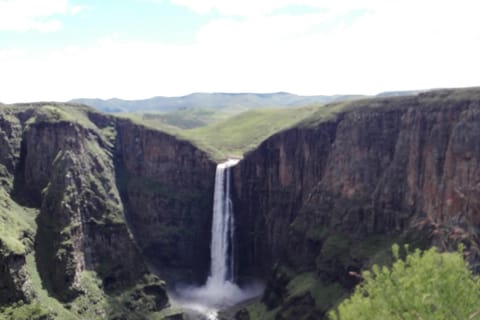
Maletsunyane Falls drops roughly 192 m (630 ft) in a single plunge near the village of Semonkong, about 130 km (81 miles) southeast of Maseru. It is one of the highest single-drop waterfalls on the African continent. May is a trade-off here, and an honest one: the flow is lower than in the wet summer months, so you will not see the thundering white curtain of January. But the reduced volume means the mist clears enough to see the full drop from the viewing point above the gorge, and the approach trail is dry and solid rather than the slippery mud scramble it becomes after heavy rains. The sound of the falls in May is a steady, resonant roar rather than the deafening crash of high water. On clear mornings the spray catches sunlight and throws small rainbows across the dark basalt walls of the gorge. The drive from Maseru takes about three hours on a road that ranges from decent tarmac to packed dirt, and the last stretch requires a vehicle with reasonable ground clearance. Combine this with a short pony ride in the Semonkong area for a full day that takes in both the falls and the surrounding highland plateau.
Booking Tip: A guided day trip with transport is the most practical approach from Maseru. Self-driving the final stretch requires confidence on gravel roads. Leave early and budget the full day. Current excursion options are listed in the booking section below.
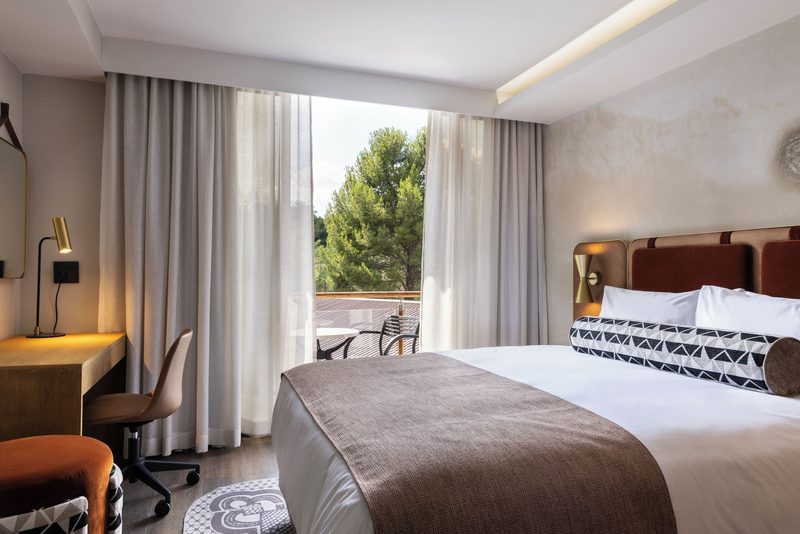
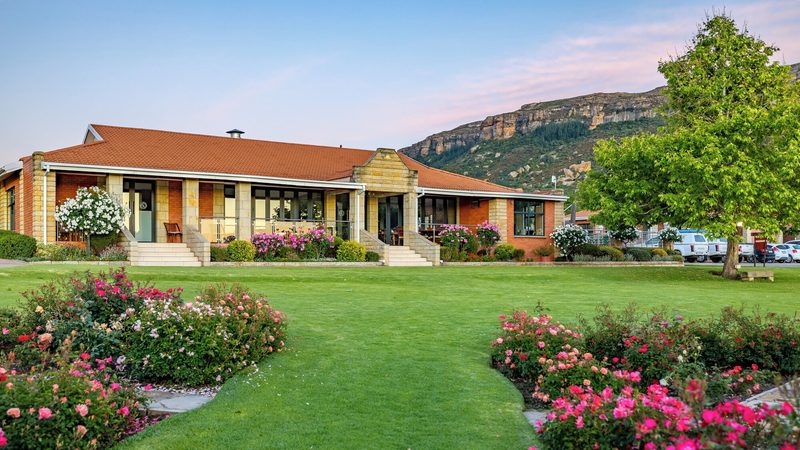
Where to Stay in Maseru in May
Hand-picked hotels across price tiers for May travellers.
Public Holidays in May
Dates that affect opening hours, transport and crowds
Workers' Day
Observed nationwide as a public holiday.
Ascension Day
Observed nationwide as a public holiday.
Africa Day/ Heroes' Day
Observed nationwide as a public holiday.
Workers' Day
Observed nationwide as a public holiday.
Africa Day/ Heroes' Day
Observed nationwide as a public holiday.
Ascension Day
Observed nationwide as a public holiday.
Packing Checklist
Bookmark this page — your progress is saved between visits
Need the full list with shopping links?
Climate-specific gear, brand recommendations, and what to leave at home.
View Maseru Packing List →Essential Tips
Insider knowledge and common pitfalls to avoid
Insider Knowledge
The South African Rand is accepted everywhere in Maseru alongside the Lesotho Loti at a 1:1 rate. If you are crossing from South Africa there is no need to exchange currency. ATMs in Maseru dispense Maloti. Finding change for large notes at smaller vendors and shared taxis can be difficult. Carry a supply of small denominations. It smooths every transaction.
Maseru sits at 1,600 m (5,249 ft) and the highland excursions climb considerably higher. Even in cool May weather, the altitude intensifies UV exposure and accelerates dehydration in ways that catch visitors off guard. You will not feel hot. You will not feel thirsty. Your skin will burn and your energy will flag by afternoon if you neglect sunscreen and water. Drink more than you think you need, on hiking days.
Shared minibus taxis are the main public transport in and around Maseru. They run when full rather than on any schedule. In May's lower-traffic months, wait times can stretch. For highland day trips to Katse Dam or Semonkong, arranging private transport through your accommodation or a tour operator is significantly more reliable than trying to piece together public routes. It eliminates the risk of being stranded at dusk.
The best Basotho blankets sold at the markets near the Mokorotlo building vary enormously in quality. The blankets are manufactured in South Africa, primarily by heritage textile mills. What you are buying in Maseru is the genuine article worn daily by Basotho across the country, not a tourist replica. Look for heavyweight designs with a tight, even weave. Ask vendors about the difference between Seanamarena patterns, worn for cultural occasions, and everyday utility blankets. In May, with fewer tourists, sellers tend to take time explaining the traditions behind each design rather than rushing a sale.
Avoid These Mistakes
Avoid packing for African heat and discovering at 2 AM that the temperature has dropped to near freezing. The 16°C (29°F) swing between midday and dawn is the single most common packing miscalculation visitors make in Maseru during May. People associate Africa with warmth. Lesotho breaks that assumption hard. You need genuine cold-weather layers, not just a light jacket thrown in as an afterthought.
Do not plan highland day trips without anchoring the return drive to the 5:15 PM sunset. The mountain passes between Maseru and destinations like Katse Dam or Semonkong are unlit, narrow, and shared with livestock and pedestrians who are essentially invisible after dark. Driving them at night is dangerous. Every year visitors get caught out by underestimating the distance or lingering too long at the destination.
Never assume everything runs on a fixed schedule and that cards will work everywhere. Banks, government offices, and some restaurants close entirely on the public holidays of May 1 and May 25. Even on regular days, opening hours in Maseru can shift without notice. ATMs exist but can run out of cash or go offline. Carry enough cash for a full day at all times. Do not rely on a single ATM or payment terminal being available when you need it.
Ready to plan your trip to Maseru?
Now that you've got the research covered, here's where to go next.
Book Experiences in Maseru
Top-rated things to do in Maseru this May

Explore More Activities in Maseru
Didn't see anything interesting yet?
Browse Viator's full catalog of tours, day trips, food experiences, and private guides in Maseru.
See All Maseru Tours on Viator