Things to Do in Maseru in August
August weather, activities, events & insider tips
Low Season · Budget Friendly
August Weather in Maseru
Long-run averages for August
67°F (19°C)
High Temp
36°F (2°C)
Low Temp
0.7 inches (18 mm)
Rainfall
47%
Humidity
6
Sunny-Day UV
⚠ Frost and patchy black ice form on highland roads above 2,000 m (6,500 ft) before sunrise and can persist in shaded sections until mid-morning. If you are driving to Katse Dam or Semonkong, depart after 8 AM or carry tire chains and drive the pre-dawn stretches at well below the posted limit. Safety first.
⚠ UV radiation at Maseru's altitude of 1,600 m (5,249 ft) is deceptively strong even on cool, overcast days. The dry winter air offers almost no atmospheric moisture to filter the rays, and sunburn is common among visitors who associate cold weather with low sun risk. Exposed skin burns within an hour of sustained midday exposure. Wear sunscreen.
Is August Right for You?
Weigh the advantages and considerations before booking
Advantages
- + August brings the driest stretch of the year. Week after week of cloudless highveld sky delivers just 18 mm (0.7 inches) of rain. Visibility from Maseru's eastern ridgelines toward the Maluti Mountains is extraordinary. This is knife-edge clarity. Summer haze swallows it completely by December.
- + Tourist numbers hit their annual low. Thaba Bosiu feels local. The craft vendors along Kingsway feel local. Every highland trail feels local. Nothing feels staged. You will likely be the only foreign visitor at most sites outside the city center.
- + Winter rates on guesthouses and lodges run well below the October-through-March peak. Last-minute availability is common even at popular properties. The savings compound if you are combining Maseru with a South African leg. The loti tracks the rand one-to-one.
- + Midday warmth hits 19°C (67°F). The highland sun is intense at 1,600 m (5,249 ft). Daytime hiking and sightseeing are pleasant once frost burns off by mid-morning. Humidity sits at just 47 percent. The air feels lighter than the temperature suggests.
Considerations
- − Nights regularly sink to 2°C (36°F). Frost glazes the grass by dawn. This blindsides travelers who packed for Africa without checking altitude. Maseru sits higher than Denver. The cold after dark is bone-deep. It is relentless until mid-morning.
- − The sun drops below the horizon around 5:30 PM. Usable daylight shrinks to roughly ten hours. Long, dark, cold evenings follow. Nightlife options outside the city center are limited.
- − Some highland roads toward Semonkong develop black ice before sunrise. Not every rental vehicle has tires rated for winter mountain driving. The standard sedan from Maseru can struggle on gravel switchbacks when frost turns them slick.
Best Activities in August
Top things to do during your visit
Thaba Bosiu Heritage Mountain Trek
The flat-topped sandstone fortress sits roughly 24 km (15 miles) east of central Maseru. King Moshoeshoe I repelled Boer commandos and British troops here. In August the approach road cuts through winter grassland the color of raw linen. The sky looks hand-painted. The climb takes about ninety minutes at a steady pace. You will pass stone ruins, royal burial sites, and the foundations of the king's village. At the summit the wind carries a mineral-cold bite. It smells faintly of dried sage and dust. The panorama unspools west to the Caledon River valley and east to the first stacked ridges of the Maluti range. Summer humidity erases this depth of field. August's dry, stable air makes this the clearest month for the ascent. You will likely share the trail with Basotho school groups rather than tour buses. Go early. Frost still clings to the rock face. The light rakes sideways across the sandstone walls. This is sacred national ground. A guide from the heritage site entrance will walk you through the history with weight no signboard can carry.
Booking Tip: Arrange guided walks through the heritage site office at the mountain's base. Book a Maseru day tour through licensed cultural operators. A half day covers the climb and museum. Leave by 8 AM. Catch the best light. Finish before wind picks up after noon. See current options in the booking section below.
Maseru City Cultural Walk
Maseru rewards slow walking. August's cool, dry mornings are good for it. Start at the Basotho Hat. This conical thatched-roof building sits on the hillside above Kingsway. Its shape mirrors the mokorotlo straw hat every Mosotho man once wore. Many still do. Craft vendors spread Basotho blankets here. Bold geometric diamonds of ochre, indigo, and rust cover folding tables in thin winter sun. The wool is thick enough to stop wind. Locals wrap them over one shoulder as daily outerwear. Not costume. Walk down Kingsway from there. Pass Our Lady of Victory Cathedral. Its stone facade catches morning light. It looks warmer than the 5°C (41°F) air feels. Continue through taxi ranks. Minibuses idle in clouds of diesel smoke and Sesotho conversation. Reach the produce market near the Caledon River. Women sell moroho here. These wild dark greens are tough-stemmed and slightly bitter. They sit piled on plastic sheeting alongside bags of dried maize. The smell is charcoal smoke and cold earth. In August the market is unhurried. Vendors are willing to talk. The light is even and golden. Everything looks composed.
Booking Tip: Walking tours of central Maseru can be arranged through local cultural guides at short notice in August. Often same-day. Allow three to four hours. Cover Kingsway, the Basotho Hat, the cathedral, and the riverfront market. Stop and talk to vendors. Check the booking section below for guided options.
Basotho Pony Trekking in the Highlands
Lesotho's mountain ponies are short, sturdy animals bred for terrain that would snap the ankles of a thoroughbred, and riding one across the winter highlands in August is likely the most direct way to understand why the Basotho call their country the Kingdom in the Sky. The trails climb from around 1,800 m (5,900 ft) to well above 2,500 m (8,200 ft), crossing ridgelines where the wind tastes of ice and dried thatch and the only sound is hooves on shale and the creak of the saddle. August's firm, dry ground makes the footing safer than the muddy summer trails, and the cold keeps the horses comfortable rather than sweating. You ride past scattered rondavels, round stone huts with thatched roofs where herd boys tend cattle and goats, and the smoke from their morning cooking fires rises straight into the windless dawn air like pencil lines. Most treks depart from villages within two to three hours' drive of Maseru and range from half-day rides to multi-day routes with overnight stays in village guesthouses. The winter landscape is brown and austere rather than green. But there is a stripped-back honesty to it that summer visitors never see.
Booking Tip: Book highland pony treks at least a week ahead through operators based in Maseru or at highland departure villages. Multi-day treks require advance coordination for village stays. Confirm that the operator provides warm blankets for overnight stops, since temperatures above 2,200 m (7,200 ft) can drop below freezing even inside. Browse current trekking options in the booking section below.
Katse Dam and Highlands Scenic Drive
The drive from Maseru to Katse Dam covers roughly 185 km (115 miles) and climbs through some of the most dramatic mountain scenery in southern Africa, switchbacking up passes where the road was blasted out of basalt cliff faces during construction of the Lesotho Highlands Water Project. In August, the road is at its most reliable, dry, frost-free by mid-morning, and free of the summer mud slides that can close sections for hours. The dam itself sits in a valley between mountains that rise to nearly 3,000 m (9,800 ft), and when you step out of the vehicle the silence hits you first, then the cold, then the scale: the dam wall curves 185 m (607 ft) high across a gorge whose rock faces are streaked with iron oxide in shades of burnt orange and charcoal. The water, low after the dry winter months, reveals shoreline geology that sits submerged the rest of the year. Engineering tours of the dam wall and turbine halls run on a regular schedule and walk you through the infrastructure that channels Lesotho's mountain water to Johannesburg's taps. The drive back in late afternoon drops you through valleys where the low winter sun turns the brown grass to copper and the shadows of the peaks stretch across the road like dark rivers.
Booking Tip: Day tours to Katse Dam from Maseru typically leave early morning and return by late afternoon. In August you want to depart by 7 AM to clear the higher passes after frost has melted but before the afternoon wind picks up. A reliable vehicle with good tires is non-negotiable for this road. See organized tour options in the booking section below.
Semonkong and Maletsunyane Falls Day Trek
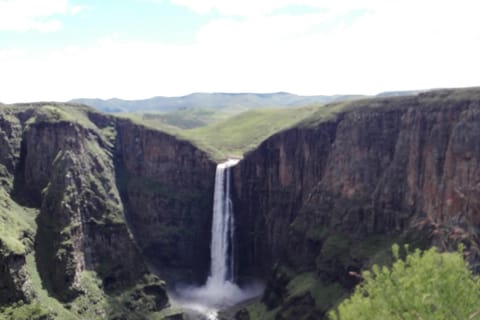
Maletsunyane Falls drops 192 m (630 ft) in a single unbroken plunge into a gorge near the village of Semonkong, roughly 120 km (75 miles) southeast of Maseru, and in August the reduced water flow trades raw volume for something arguably more striking: a narrow white ribbon against black basalt, framed by bone-dry cliff faces and a sky so empty of cloud that the spray catches sunlight and throws faint rainbows even in winter. The hike down to the base of the falls follows a steep, rocky trail that takes about forty-five minutes and earns every step of the return climb. August's cold, dry air means the mist at the bottom chills you immediately, the temperature near the spray can feel ten degrees colder than the surrounding valley. But the footing is far safer than the slippery wet-season approach. The village of Semonkong itself is a cluster of rondavels and tin-roofed shops where the smell of fresh papa, stiff maize porridge cooked over open coals, drifts from every doorway in the morning. If you are there at midday, the moroho and chakalaka served at village eateries is the warming, mildly spicy fuel you need before the drive back.
Booking Tip: Allow a full day for the round trip from Maseru, including the hike to the falls base and time in Semonkong village. The road is mostly paved but deteriorates in the final stretch, so high clearance helps. Book through Maseru-based tour operators or arrange a driver familiar with the route. Current guided options appear in the booking section below.
Where to Stay in Maseru in August
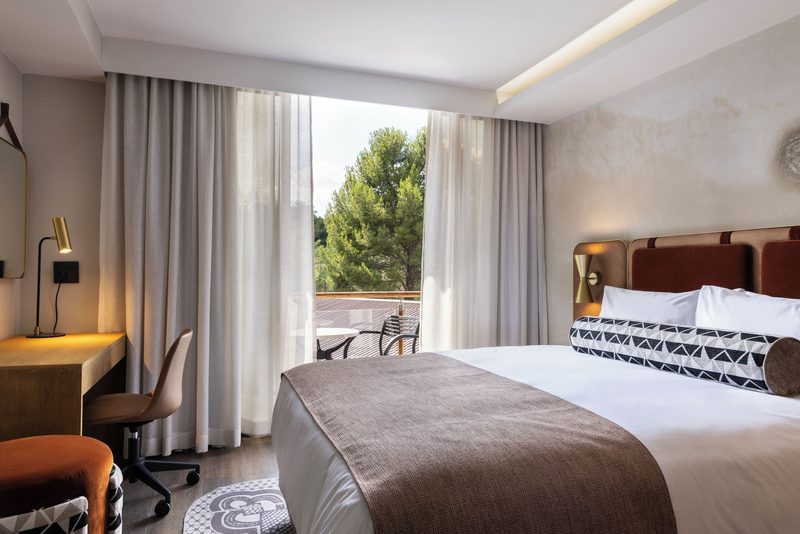
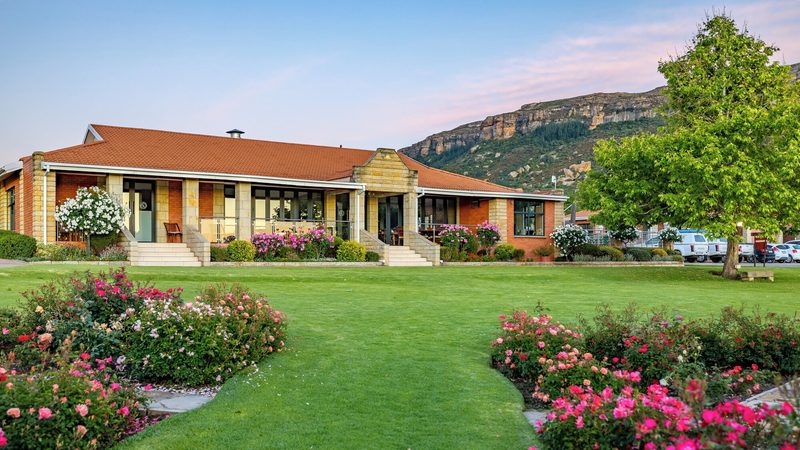
Hand-picked hotels across price tiers for August travellers.
Packing Checklist
Bookmark this page — your progress is saved between visits
Need the full list with shopping links?
Climate-specific gear, brand recommendations, and what to leave at home.
View Maseru Packing List →Essential Tips
Insider knowledge and common pitfalls to avoid
Insider Knowledge
Bolt operates in Maseru and is currently the most practical way to move around the city without your own vehicle. Rides are generally affordable relative to South African cities across the border, and drivers tend to know the central landmarks well enough to navigate without addresses. For anything beyond the city limits, Thaba Bosiu, Morija, or the highland routes, you will need to arrange a private driver or join an organized tour. Ride-hailing coverage drops off sharply past the outskirts. Plan your transport.
The Basotho blanket is not a souvenir. It is a functioning garment, and buying one at the craft market near the Basotho Hat building is both the most practical and the most culturally embedded purchase you can make in Maseru. The heavy wool designs with names like Seanamarena and Victoria carry specific social meanings. Some patterns are reserved for chiefs, others for married women. Ask the vendor which pattern suits a visitor, and you will get an honest answer and a twenty-minute conversation about Basotho textile tradition. Wear it over your jacket in the evenings. You will be warmer and less conspicuous than the traveler in a North Face puffer.
Maseru is broadly safe during daylight hours in the central areas around Kingsway, the mall precinct, and the main market. Petty theft rises after dark, around the taxi ranks and unlit side streets south of the river. Walk with purpose. Keep valuables internal rather than in exterior pockets. Avoid walking alone after sunset. Locals tend to take taxis after 6 PM rather than walking, and following that habit is sensible. The highlands are a different story. Rural Lesotho is remarkably safe, and the biggest risk on a pony trek is the terrain, not the people.
If you want to eat well in Maseru, look for the places serving papa with moroho and chakalaka. This means stiff maize porridge with slow-cooked wild greens and a chunky, mildly spiced vegetable relish. The combination is earthy, warming, and exactly what your body wants after a cold morning hike. The spots with the longest local lunch queues along Kingsway and near the central market are the ones to follow. Sit-down restaurants catering to visitors often lean toward South African franchise food, which is fine but tells you nothing about where you are.
Avoid These Mistakes
Packing for Africa and forgetting the altitude is a common error. Maseru sits at roughly 1,600 m (5,249 ft) and August mornings bring genuine frost. At least one traveler every winter shows up in shorts and sandals and spends their first day buying emergency layers at the mall. Check the elevation, not the continent. Pack layers.
Treating Maseru as a day stop on a South African road trip rather than a destination in its own right is a mistake. The city itself rewards two to three days, and the highland excursions to Katse Dam, Semonkong, and the pony trekking routes need at least another two. Rushing through in an afternoon means you see the border crossing and a mall. This is like judging a country by its airport. Stay longer.
Skipping Thaba Bosiu because it looks like just a hill on the map would be an error. The mountain is the founding site of the Basotho nation and carries a weight of history that the modest elevation does not advertise. Without a guide who can narrate the sieges, the royal burials, and what the summit meant to Moshoeshoe I, you will walk past ruins that look like scattered rocks and miss the entire point. Hire the guide.
Ready to plan your trip to Maseru?
Now that you've got the research covered, here's where to go next.
Book Experiences in Maseru
Top-rated things to do in Maseru this August

Explore More Activities in Maseru
Didn't see anything interesting yet?
Browse Viator's full catalog of tours, day trips, food experiences, and private guides in Maseru.
See All Maseru Tours on Viator