Things to Do in Maseru in October
October weather, activities, events & insider tips
Low Season · Budget Friendly
October Weather in Maseru
Long-run averages for October
76°F (24°C)
High Temp
50°F (10°C)
Low Temp
2.4 inches (61 mm)
Rainfall
53%
Humidity
11
Sunny-Day UV
⚠ UV intensity surprises at altitude. Maseru's 1,600 m (5,249 ft) elevation amplifies radiation well beyond sea level norms. Exposed skin burns in under 30 minutes on clear October days, even when temperatures feel mild. Reapply sunscreen every two hours. Cover arms and neck at midday.
⚠ Afternoon thunderstorms strike fast in October. Spring rains return with little warning. These bursts pass quickly but hit hard. Lightning on exposed highland ridges threatens hikers directly. See cumulonimbus clouds building over Thaba-Bosiu or open trails? Descend immediately. Do not wait for rain.
⚠ Nights turn cold fast. Temperatures plunge to 10 degrees C (50 degrees F), dropping lower in highland areas. Outdoor evening events and highland lodges without central heating demand genuine cold-weather preparation after sunset. Pack accordingly.
Is October Right for You?
Weigh the advantages and considerations before booking
Advantages
- + October 4 marks Lesotho's 60th Independence Day. The diamond jubilee celebrations in Maseru turn the capital into a genuine display of Basotho identity you cannot see at any other time of year. Setsoto Stadium fills with blanket-clad spectators, military parades, and famo music that carries across the Caledon River valley.
- + Spring is settling in. The highlands around Maseru are starting to green up after the dry winter. Daytime temperatures sit at a comfortable 24 degrees C (76 degrees F) with low humidity at 53 percent, which makes hiking Thaba-Bosiu or riding ponies through the foothills pleasant rather than something you endure.
- + This is shoulder season in a country that never draws heavy tourist crowds to begin with. Accommodation availability is wide open. Pricing tends to sit well below what you would pay in the December to February summer rush, and the few cultural sites operate without queues or reservation pressure.
- + The rains are just returning after the bone-dry winter months, enough to wash the dust off the sandstone ridges and coax wildflowers out of the highland grass. But not yet the heavy downpours of December and January that turn unpaved roads to clay soup. October averages 61 mm (2.4 inches) for the whole month, which is manageable by almost any standard.
Considerations
- − The temperature swing between day and night is large. You might be comfortable in a cotton shirt at 2 PM and reaching for a fleece by 7 PM, with overnight lows dropping to 10 degrees C (50 degrees F). First-timers who pack for warm spring weather alone end up cold and frustrated by sundown.
- − Maseru sits at roughly 1,600 m (5,249 ft) above sea level, and the UV index on a clear October day reaches 11. The dry highland air and the altitude mean sunburn happens faster than most travelers expect, even on overcast afternoons. This is not a place to skip sun protection.
- − Infrastructure outside central Maseru remains limited. Once you leave the paved corridors toward Katse Dam or Semonkong, roads deteriorate and a 4x4 is effectively mandatory. Public transport between highland attractions is sparse to nonexistent, so reaching the best of Lesotho requires either a rented vehicle or a guided tour arrangement made well in advance.
Best Activities in October
Top things to do during your visit
Thaba-Bosiu Heritage Hike and Cultural Village
Thaba-Bosiu sits about 20 km (12.4 miles) east of central Maseru, a flat-topped sandstone plateau that rises to roughly 1,800 m (5,906 ft) and served as the fortress of King Moshoeshoe I during the wars that shaped the Basotho nation. October is likely the best month to climb it. The winter chill has broken, the grass on the summit plateau is coming back to life, and the air at this altitude carries that particular highland clarity where you can see the Maluti range sharpening on the eastern horizon. The hike to the summit takes roughly 45 minutes at a steady pace, past the sandstone gates that made the mountain nearly impossible to attack, up to the remains of the royal village and the graves of past monarchs. At the base, the Cultural Village includes a replica Sotho homestead with traditional thatched rondavels, a museum that contextualizes the mountain's military history, and a restaurant serving papa and moroho. Go early in the morning when the light hits the eastern face of the plateau and the tour groups have not arrived. The descent path toward Mount Qiloane, the conical peak that reportedly inspired the shape of the mokorotlo hat, is worth the extra 30 minutes if your knees can handle the loose scree.
Booking Tip: Book a guided heritage tour at least a week ahead through licensed cultural operators. A local guide transforms the hike from a pleasant walk to a layered history lesson. See current guided options in the booking section below.
Highland Pony Trekking from Maseru's Eastern Foothills
The Basotho pony is built for this terrain in a way no vehicle is. These small, sure-footed horses have been navigating Lesotho's mountain passes for over a century, and riding one through the foothills east of Maseru in October, when the spring rains have just started greening the slopes but the trails are still firm, is the kind of experience that makes you understand why the Basotho consider the pony part of the national identity. Treks range from half-day rides through the sandstone valleys near Roma, about 35 km (22 miles) southeast of Maseru, to multi-day routes that climb into the highlands toward the escarpment. October's moderate temperatures, around 24 degrees C (76 degrees F) during the day, mean neither you nor the horse is fighting the heat, and the late-afternoon light across the highland grass has a quality that feels almost amber. You will feel the altitude in your breathing if you are not accustomed to 1,600 m (5,249 ft) and above, so let the pony do the work on the steeper sections.
Booking Tip: Arrange pony treks at least 10 days in advance, around the Independence Day holiday weekend. Operators based near Roma and Molimo Nthuse Pass are the most established. Look for operators who provide helmets and a briefing on the Basotho riding style, which uses a different rein technique than Western riding. Check the booking widget below for current options.
Basotho Blanket and Craft Market Walk in Central Maseru
The Basotho blanket is not a souvenir. It is a garment with social grammar that most outsiders miss entirely. The design you choose, the way you wear it, the colour of the border stripe all communicate something specific to Basotho eyes, and the vendors at the craft markets along Kingsway and near the Mokorotlo building, the hat-shaped landmark that houses a museum and craft shop, will explain the distinctions if you ask rather than just point and pay. October mornings in Maseru start cool enough that you will see locals wrapped in their blankets on the way to work, the geometric patterns catching the early light against the reddish sandstone of the older buildings. The mohair tapestries are the other find worth seeking out. Lesotho produces some of the world's finest mohair, and the woven pieces sold at the markets near Pioneer Mall carry a texture that feels almost liquid under your fingers, nothing like the stiff craft-market textiles you find elsewhere in Southern Africa. A morning spent walking the central markets, with the smell of coal smoke still hanging in the air and the sound of Sesotho haggling around you, is as close as Maseru gets to a sensory immersion.
Booking Tip: No advance booking needed for market visits. But if you want a guided cultural walk that explains the blanket traditions and mohair weaving process, arrange one through a local cultural guide at least a few days ahead. See cultural tour options in the booking section below.
Katse Dam Highland Drive and Engineering Tour
The drive from Maseru to Katse Dam covers roughly 210 km (130 miles) and takes about five hours, most of it climbing through mountain passes on roads that shift from tarmac to gravel to something more aspirational. This is not a casual day trip, it is a commitment, and it rewards the commitment completely. The Lesotho Highlands Water Project is one of the largest engineering feats on the African continent, a 185 m (607 ft) arch dam wedged into a gorge where the Malibamatso River cuts through the Maluti Mountains. October's clear spring skies mean visibility across the reservoir stretches to the snow-dusted peaks that still carry the last of winter's white, and the highland air at this altitude, around 2,000 m (6,562 ft), has a crispness that tastes almost metallic. The guided dam tour includes an engineering briefing and a walk through sections of the infrastructure that give you a visceral sense of the scale. Katse Lodge sits on a ridge above the dam with views that justify the drive on their own, and boat cruises on the reservoir run when water levels and weather cooperate.
Booking Tip: This requires a 4x4 vehicle or a guided overland tour. Book at least two weeks ahead and plan to stay overnight at Katse Lodge rather than attempting the drive both ways in one day. October weather is generally cooperative. But check road conditions after any rain. See highland tour options in the booking section below.
Maletsunyane Falls and Semonkong Gorge Walk
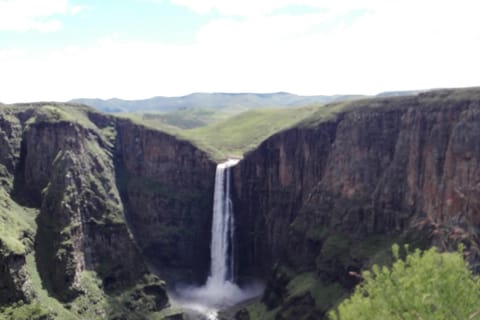
Maletsunyane Falls drops 192 m (630 ft) into a basalt gorge near the village of Semonkong, roughly 130 km (81 miles) southeast of Maseru, and in October the falls are transitioning from the thin winter trickle to something with genuine force as the spring rains feed the Maletsunyane River. The gorge walk to the base of the falls takes about two hours each way on a trail that descends steeply through scrubby highland vegetation, past rock pools where the water runs clear enough to see the stones on the bottom. The sound of the falls builds gradually as you descend, from a distant hiss to a bass rumble that you feel in your chest before you round the final bend and see the full drop. October's mild temperatures make the hike comfortable rather than punishing, and the spray at the base, which soaks you thoroughly if the wind shifts, is refreshing rather than hypothermic. Semonkong itself is a small highland town where donkeys outnumber cars and the pace of life moves at a speed that Maseru has long since left behind. The smell of wood smoke and fresh bread from the village bakeries reaches you before the buildings do.
Booking Tip: The road to Semonkong is partially unpaved, so arrange transport through a tour operator or rent a sturdy vehicle. Book accommodation and guided gorge walks at least a week ahead, as options in Semonkong are limited. See adventure tour options in the booking section below.
Roma Valley University Town and Trading Post Visit
Roma sits in a sandstone valley about 35 km (22 miles) southeast of Maseru, home to the National University of Lesotho and a cluster of mission-era buildings that include some of the oldest stone churches in the country. October brings the jacaranda trees along the approach road into bloom, the purple canopy arching over the lane in a way that looks almost theatrical against the red-brown sandstone bluffs behind. The old trading post, which has operated in various forms since the missionary era, sells locally made goods alongside basic supplies, and the campus itself has a quiet, almost Mediterranean feel with its stone buildings and courtyards. The Ha Kome Cave Dwellings are accessible from Roma, traditional Basotho homes built into overhanging sandstone shelters where families still live. Visiting them in October, when the morning air is cool and the smoke from cooking fires inside the caves drifts across the ledge, is a sharp reminder that Lesotho's history is not a museum exhibit but a living thing.
Booking Tip: Roma is an easy half-day trip from Maseru on paved roads and does not require a 4x4. For the Ha Kome Cave Dwellings, arrange a local guide through community tourism contacts at least a few days ahead, as unannounced visits to occupied homes are not appropriate. Check the booking section below for cultural excursion options.
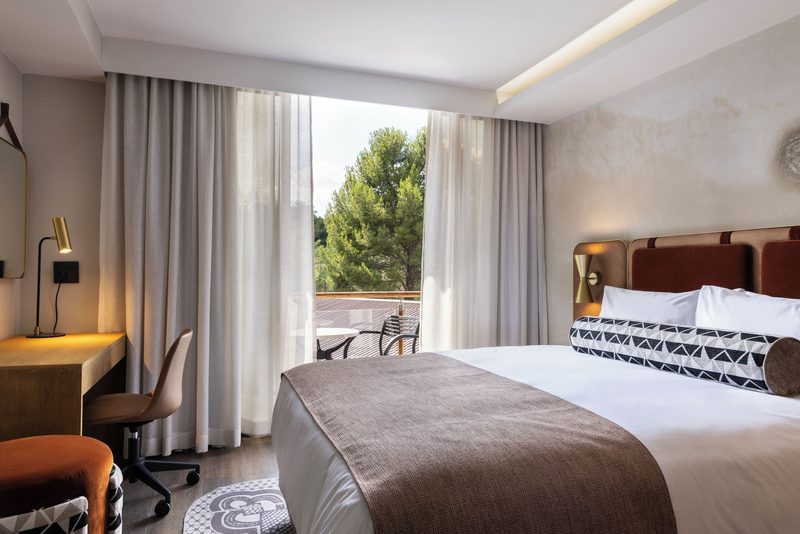
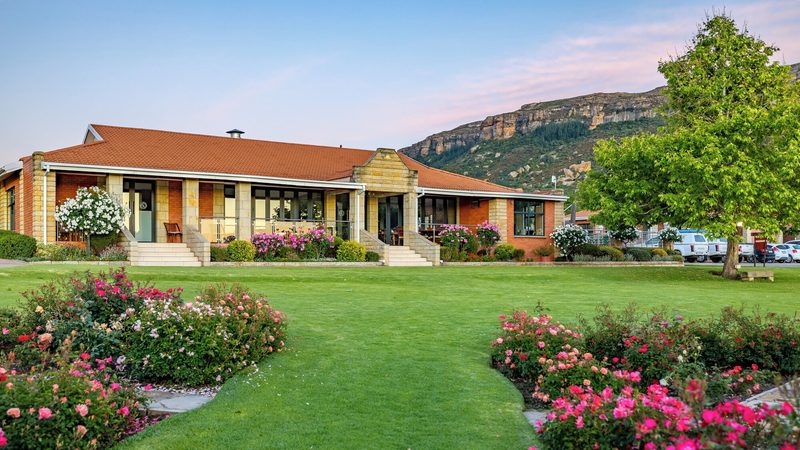
Where to Stay in Maseru in October
Hand-picked hotels across price tiers for October travellers.
Public Holidays in October
Dates that affect opening hours, transport and crowds
Independence Day
Observed nationwide as a public holiday.
Independence Day
Observed nationwide as a public holiday.
Independence Day
Observed nationwide as a public holiday.
Packing Checklist
Bookmark this page — your progress is saved between visits
Need the full list with shopping links?
Climate-specific gear, brand recommendations, and what to leave at home.
View Maseru Packing List →Essential Tips
Insider knowledge and common pitfalls to avoid
Insider Knowledge
The Basotho blanket you see wrapped around nearly everyone in the cool October mornings could fairly be called a communication system. The Seanamarena design with its maize-cob pattern is worn for formal occasions and by chiefs. The Victoria England design dates to the colonial era and carries a different social weight. Wearing a blanket incorrectly, draped over one shoulder like a toga instead of wrapped properly, marks you as an outsider instantly. Ask a vendor at the Mokorotlo craft market to show you the correct wrap before you wear one in public. They will respect the question.
October 4 is a national holiday and the diamond jubilee will likely extend the festive atmosphere through the weekend. Banks, government offices, and many shops close. The border crossing at Maseru Bridge becomes significantly slower in both directions as Basotho living in South Africa return for the celebrations. If you are crossing from Ladybrand, do it the day before or after, not on the fourth itself. Plan ahead.
Maseru's best traditional food tends to come from the informal vendors and small restaurants in the older neighbourhoods east of Kingsway rather than the formal restaurants near the malls. Look for places where the papa is made fresh on a coal stove rather than from a warming tray. The moroho should have the faintly bitter, earthy taste of wild greens rather than the flat flavour of supermarket spinach. The mokoenya, a slow-cooked tripe stew that smells powerfully of the coal fire it simmers over, is the dish that separates tourists willing to eat like Basotho from those who retreat to the hotel buffet. Choose wisely.
If you are driving to the highlands, fill your fuel tank in Maseru. There are fuel stations along some routes. But they run dry without warning, in the smaller towns. The road to Katse Dam has no reliable fueling point for long stretches. Running out of diesel on a mountain pass with no cell signal is the kind of situation that turns an adventure into an ordeal. Carry a jerry can if your vehicle has space. Better safe.
Avoid These Mistakes
Altitude hits harder than you expect. Maseru sits at 1,600 m (5,249 ft), and highland destinations climb well above 2,000 m (6,562 ft). Arrivals from sea level often gasp on short walks, burn faster than expected, and dehydrate without warning. The air feels cool and dry. This masks how hard your body works. Take a full day to acclimatize before attempting anything strenuous.
Day trips to Katse Dam or Semonkong rarely work. Distances look manageable on maps. But roads beyond the paved highways turn 130 km (81 miles) into four to five hours each way. Stay overnight at both destinations. Exhausting round trips mean driving mountain passes in darkness. Plan better.
The Maseru Bridge crossing demands patience. This border between Maseru and Ladybrand, South Africa, ranks as Lesotho's busiest land crossing. Queues during Independence Day or Friday afternoons stretch past two hours. Carry your actual passport, not a copy. Vehicle searches happen on both sides. Cross before 7 AM for faster processing.
Ready to plan your trip to Maseru?
Now that you've got the research covered, here's where to go next.
Book Experiences in Maseru
Top-rated things to do in Maseru this October

Explore More Activities in Maseru
Didn't see anything interesting yet?
Browse Viator's full catalog of tours, day trips, food experiences, and private guides in Maseru.
See All Maseru Tours on Viator