Things to Do in Maseru in November
November weather, activities, events & insider tips
Low Season · Budget Friendly
November Weather in Maseru
Long-run averages for November
79°F (26°C)
High Temp
53°F (11°C)
Low Temp
2.9 inches (74 mm)
Rainfall
62%
Humidity
13
Sunny-Day UV
⚠ Afternoon thunderstorms in the highlands arrive suddenly and can produce dangerous lightning on exposed ridgelines. Do not be caught on the Thaba Bosiu plateau or any highland trail after early afternoon. The storms are intense but typically pass within an hour. Seek shelter early. Wait it out.
⚠ Altitude-intensified UV exposure is a genuine hazard even on cloudy days. At 1,600 m (5,249 ft) in Maseru and above 2,200 m (7,218 ft) in the highlands, sunburn develops significantly faster than at sea level. Reapply sunscreen every two hours and cover exposed skin during midday. Clouds deceive. Protect yourself anyway.
⚠ Highland roads between Maseru and destinations like Katse Dam or Semonkong can become impassable after heavy rain, with washouts and river crossings that rise quickly. Check road conditions locally before departing, carry emergency supplies, and never attempt a flooded crossing. Turn back. Live to drive another day.
Is November Right for You?
Weigh the advantages and considerations before booking
Advantages
- + November brings Lesotho's spring into full bloom after the dry winter months, and the highlands around Maseru turn a vivid, almost startling green that you simply don't see in the June-through-September brown. The Mohokare River runs with real force again. Wildflowers push through the basalt plateaus along the road to Thaba Bosiu. The afternoon light hits the sandstone buildings in the old quarter with a warmth that makes the whole city photograph better than any other time of year.
- + Daytime temperatures sit around 26 degrees C (79 degrees F), which is warm enough to spend full days outdoors without the January-February heat that pushes Maseru past 28 degrees C (82 degrees F) and turns highland hikes into endurance tests. Mornings are cool at 11 degrees C (53 degrees F). Pleasant for early walks along the river. The climb up the rocky hill behind the casino area works well before the sun gets serious.
- + November crowds in Maseru are thin by any standard, and even the Basotho Hat craft market and Thaba Bosiu see only a handful of visitors on most days. Accommodation is likely available on short notice in most parts of the city, and the few guesthouses along the highland routes toward Semonkong and Malealea tend to have open beds midweek. The exception is the final week of November if the Roof of Africa enduro rally falls on its usual late-month dates. Riders and support teams fill the lodges near Maseru Mall.
- + The late-November Roof of Africa rally, likely the 57th edition, transforms Maseru into something louder, dirtier, and more electric than its usual self. Even if motorcycle racing is not your thing, the prologue lap through Maseru's streets, the evening atmosphere around the rally village, and the chance to watch riders attempt terrain that would terrify most 4x4 drivers make it a spectacle worth planning around. Go for this.
Considerations
- − November marks the start of the wet season, and afternoon thunderstorms arrive with the kind of sudden violence that the highlands are known for. The rain itself tends to be brief, maybe thirty to forty-five minutes of hard downpour. But it can turn unpaved roads to mud in minutes, and the route to Katse Dam or Semonkong becomes risky without a proper 4x4. Plan highland excursions for early morning departures. You might get soaked.
- − Maseru's elevation of roughly 1,600 m (5,249 ft) catches first-time visitors off guard. The altitude is not extreme enough for serious mountain sickness in most people. But you will feel it: a slight breathlessness on hills, sunburn that develops faster than expected despite cloud cover, and a quality of dryness in the air that makes your lips crack and your water bottle empty twice as fast as normal. If you are heading deeper into the highlands toward Katse or the Sani Pass area, you are climbing to 2,400 m (7,874 ft) or higher. The thin air becomes noticeable there.
- − Safety in Maseru requires the same awareness you would bring to any Southern African capital. Petty crime targets visitors, after dark, and walking alone at night in the city centre or along poorly lit roads near the border crossing is not advisable. Taxis generally do not use meters, so agree on a fare before getting in, and carry cash in Lesotho loti or South African rand since card acceptance is inconsistent outside the larger shops and the mall. Serious medical facilities are limited. Most foreign visitors requiring more than basic care end up making the ninety-minute drive to Bloemfontein across the border.
Best Activities in November
Top things to do during your visit
Thaba Bosiu Historical Fortress Hike
The flat-topped sandstone mountain that saved King Moshoeshoe I from every army that tried to take it sits about 24 km (15 miles) east of Maseru, and in November the approach trail is lined with spring wildflowers that make the drive out worth it before you even start climbing. The hike to the summit takes roughly an hour at a moderate pace, passing the remains of the royal village and the graves of Basotho monarchs, and the cultural village at the base has a replica Sotho settlement and a small museum that gives the history context you need before heading up. November mornings are good for the climb. Cool enough at 11 degrees C (53 degrees F) that you are not sweating through your shirt. Clear enough that the views from the top stretch across the Caledon River valley into the Free State. Dry enough that the rocky scramble near the summit is not slippery. Start early, before ten, because afternoon storms can roll in fast and the exposed plateau offers zero shelter. The altitude is mild here, around 1,800 m (5,905 ft), but bring more water than you think you need.
Booking Tip: Guided walks with a local Basotho guide are typically available at the cultural village on arrival. But booking a day ahead through a Maseru-based operator is more reliable, on weekends. See current tour options in the booking section below. Plan ahead.
Highland Pony Trekking from Malealea or Semonkong
The Basotho pony is one of those animals you underestimate on sight: stocky, calm-eyed, roughly the size of a large pony, and more sure-footed on loose mountain scree than any horse you have ever ridden. Trekking on one through the Lesotho highlands in November means riding through landscape that has just woken up from winter, with waterfalls running at full power, grass so green it looks artificial, and the smell of wild sage and wet basalt that defines the high country after rain. Day rides from Malealea, about three hours southeast of Maseru, follow trails through Basotho villages where rondavels with thatched roofs dot the hillsides and children wave from doorways. Multi-day treks from Semonkong take you to the edge of Maletsunyane Falls, a 186 m (610 ft) single-drop waterfall that is one of the highest in Southern Africa, roaring with November meltwater. No riding experience is required. The ponies do the thinking on the steep sections. Your thighs will remind you for days afterward.
Booking Tip: Book multi-day treks at least two weeks ahead through highland lodge operators. Pony availability and guide numbers are limited. Single-day rides can often be arranged a day or two in advance. Check the booking section below for current highland tour options.
Katse Dam and Highlands Water Project Day Trip
The drive from Maseru to Katse Dam takes about three hours through some of the most dramatic mountain road scenery in Southern Africa. You climb from the 1,600 m (5,249 ft) lowlands through switchbacks that cut into basalt cliffs until you reach the dam at roughly 2,200 m (7,218 ft). The dam wall itself is 185 m (607 ft) high. Tours take you inside the structure, a strange, echoing, industrial experience that contrasts sharply with the wild highlands outside. November is a fine time for the drive. The mountains are green and the reservoir is filling with spring rainfall. Road conditions can deteriorate after heavy afternoon storms. The visitor centre runs guided tours on a daily schedule, typically mornings. The drive along the reservoir afterward, if you have a vehicle with some clearance, passes through highland communities where the pace of life is so different from Maseru it feels like a different country entirely. Start before seven. Allow time for the drive and arrive before the afternoon weather turns.
Booking Tip: Confirm the visitor centre is open before making the drive. Maintenance closures have been reported. Organised day trips from Maseru with transport and a guide are worth considering given the road conditions. See the booking section below for available options.
Maseru Cultural and Craft Market Walking Tour
The Basotho Hat building, the mokorotlo-shaped landmark inspired by Mount Qiloane's silhouette, is the starting point for understanding Maseru's craft economy. Inside, mohair tapestries woven in highland villages sit alongside Basotho blankets with the geometric patterns that mark clan identity and ceremonial status. Carved walking sticks share space with tourist trinkets. The skill gap between the two categories is obvious to anyone paying attention. November warmth makes a walking circuit through the older parts of the city comfortable. Start at the craft market, pass the Cathedral of Our Lady of Victories, a stone church that anchors the city's missionary history, and continue through to the sandstone colonial-era buildings near the riverfront. The Mohokare River, which you can hear from the lower streets when traffic thins, forms the border with South Africa. There is something oddly affecting about standing in one country and looking across a shallow river at another. The market vendors are unhurried in November. They are happy to explain the blanket patterns and their meanings if you show genuine interest rather than snapping a photo and moving on.
Booking Tip: Walking tours with a local guide who can explain Basotho cultural symbolism make the craft market visit far richer than browsing alone. Book through a Maseru-based cultural operator a day or two ahead. See the booking section below for current options.
Semonkong and Maletsunyane Falls Adventure
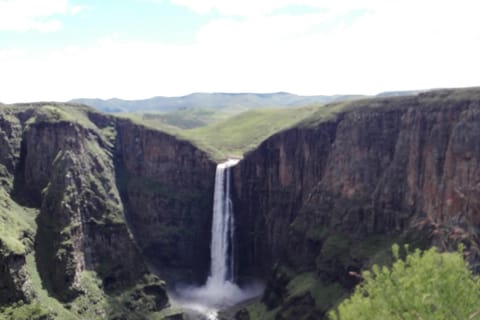
Semonkong, which translates to Place of Smoke for the mist that rises from its famous waterfall, sits about 130 km (81 miles) southeast of Maseru in the highlands. Reaching it is part of the experience. The road climbs past terraced fields, Basotho herders wrapped in blankets against the morning chill, and views that open up across valleys so wide the far ridgeline goes blue with distance. Maletsunyane Falls drops 186 m (610 ft) in a single plunge. In November the spring rains have it thundering with a force you can feel in your chest from the viewing ledge. The gorge below fills with mist that drifts upward and catches the light. The roar is loud enough to drown conversation. Beyond the waterfall, the area offers abseil descents for the adventurous and hiking trails through terrain that feels almost untouched. November evenings in Semonkong cool down sharply, dropping to around 8 degrees C (46 degrees F). The stars at this altitude, with zero light pollution, are the kind that make you stop talking and just look up.
Booking Tip: An overnight stay is strongly recommended. The drive from Maseru takes three to four hours in good conditions and you will want time at the falls. Book highland lodges at least a week ahead in November. Check the booking section below for organised trips.
Where to Stay in Maseru in November
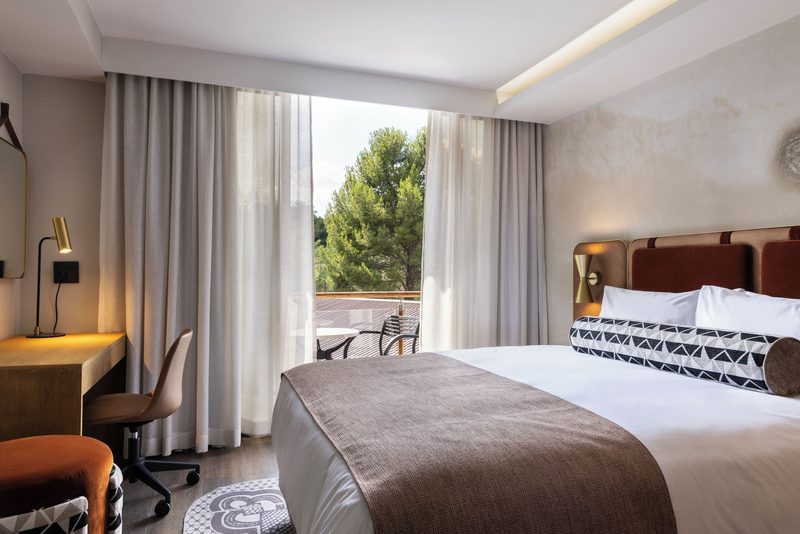
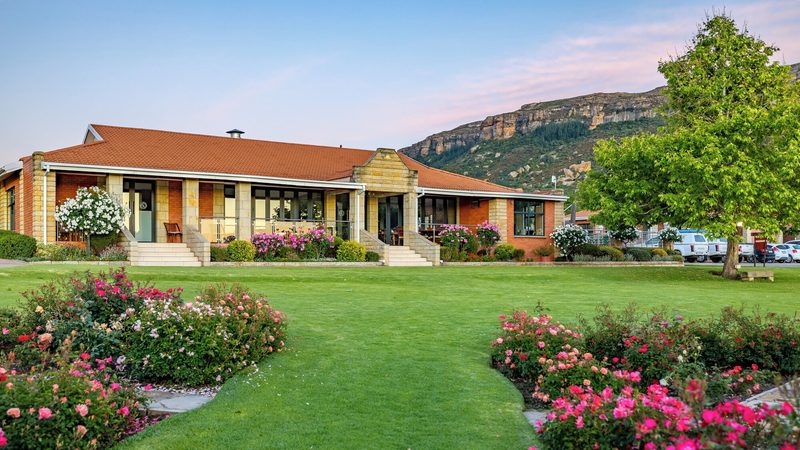
Hand-picked hotels across price tiers for November travellers.
Packing Checklist
Bookmark this page — your progress is saved between visits
Need the full list with shopping links?
Climate-specific gear, brand recommendations, and what to leave at home.
View Maseru Packing List →Essential Tips
Insider knowledge and common pitfalls to avoid
Insider Knowledge
The Basotho blanket is not a souvenir. It is a cultural garment with real social meaning, and wearing one properly (draped over one shoulder, pinned at the chest) earns quiet approval from locals. The geometric patterns are not decorative. They indicate clan, status, and occasion. Ask a craft market vendor to explain the distinctions before you buy. You will get a different blanket and a better conversation than the tourist who just grabs the brightest one.
November afternoons in the highlands follow a predictable pattern that locals plan around instinctively: clear mornings, cloud buildup from noon, and thunderstorms by two or three that clear before sunset. Every highland activity, whether it is the Thaba Bosiu hike, the drive to Katse, or a pony trek from Malealea, should start at first light and aim to be finished or under shelter by early afternoon. Locals call the afternoon storms motsoetsa. They treat them the way coastal people treat tides: you work around them, not through them.
Maluti Premium Lager, brewed with highland water, is the national beer and good, a clean, slightly malty lager that suits the altitude and the afternoon heat. The traditional sorghum beer, joala, is the drink that tells you more about the place. It is thick, slightly sour, faintly fizzy, and served from communal vessels at shebeens and village gatherings. An acquired taste. But ordering it at a local shebeen in Maseru signals curiosity rather than tourism, and the response is usually warmth.
The border crossing between Maseru and Ladybrand in South Africa is one of the busiest in the country. Friday afternoons and Sunday evenings can mean two-hour waits in a queue of trucks and taxis. If you are driving in from Bloemfontein or the Free State, cross early in the morning on a weekday and you will be through in twenty minutes. The Maseru Bridge crossing is the main one. The Caledon River it spans is often shallow enough in November that you can see children playing in the shallows from the immigration hall.
Avoid These Mistakes
Underestimating the altitude. Maseru sits at 1,600 m (5,249 ft), and the highlands you will likely visit climb above 2,200 m (7,218 ft). First-time visitors often feel the thin air as a vague headache and unusual tiredness on day one, dismiss it, push through a long hike, and end up miserable by evening. Take the first day gently. Drink water aggressively. Save the big highland excursion for day two or three.
Driving highland roads after an afternoon storm without a 4x4. The route to Katse Dam and the roads around Semonkong are unpaved in stretches and turn to greasy clay after rain. A sedan might make it in dry conditions. But one November downpour can turn a manageable gravel road into something that stops you cold. Rent a vehicle with proper clearance and four-wheel drive. Or book with an operator who provides one.
Treating Maseru as a day trip from South Africa. Many visitors cross from Bloemfontein, rush through the craft market and the Basotho Hat, and drive back the same day, missing everything that makes the country worth visiting. Lesotho's real character is in the highlands, on the pony trails, and in the villages where the road runs out. You need at least two nights in the country to reach any of it. One night in Maseru for the city and Thaba Bosiu, then one or two in the highlands, is the minimum that makes the border crossing worthwhile.
Ready to plan your trip to Maseru?
Now that you've got the research covered, here's where to go next.
Book Experiences in Maseru
Top-rated things to do in Maseru this November

Explore More Activities in Maseru
Didn't see anything interesting yet?
Browse Viator's full catalog of tours, day trips, food experiences, and private guides in Maseru.
See All Maseru Tours on Viator